
Seven Dead in Iran After US Airstrikes Strike Strategic Bridges Airport and Key Railway Station Near Strait of Hormuz
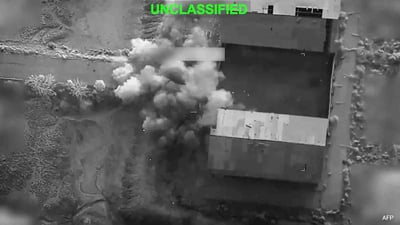
A severe escalation in the ongoing Middle East conflict occurred on the morning of July 17, 2026, when the United States military carried out massive overnight airstrikes deep within southern Iranian territory. According to formal updates released by the US Central Command, the highly calculated operation concluded at dawn on Friday, marking the sixth consecutive night of direct American aerial offensives designed to degrade the regional defense networks of Tehran. State media agencies inside Iran, including the official Islamic Republic News Agency, quickly confirmed that the high precision American projectiles struck highly critical civilian and logistics transportation points. Among the primary targets were the strategic Iranshahr airport located in the southeastern quadrant of the country, the heavily active Bandar Abbas railway junction station, and two high traffic transport bridges situated inside the coastal Hormozgan province. The state medical emergency teams officially confirmed that exactly seven individuals lost their lives, while at least nine other citizens sustained severe physical injuries during the devastating explosions that damaged the structural transport bridges.
The rapid targeting of public transport networks marks a significant structural shift in the warfare playbook, moving directly away from isolated remote military command posts to heavily disruptive infrastructure hubs. Local eyewitnesses in the port city of Bandar Abbas reported hearing three massive explosions near the local airport installations just after midnight, followed by immediate smoke columns rising above the primary rail tracks. The strategic target selection was intentionally planned to isolate coastal defenses, as Bandar Abbas serves as the home base for the largest maritime shipping ports of the country alongside key Revolutionary Guards naval assets patrolling the Strait of Hormuz. Concurrently, American naval forces deployed in the Gulf of Oman executed an aggressive maritime operation on July 16, 2026, physically boarding an oil tanker identified as the MT Wen Yao to strictly enforce a newly reimposed naval blockade against domestic oil shipping terminals. This highly coordinated combination of heavy aerial bombings and direct naval blockades shows that Washington is actively trying to choke the logistical capabilities of its adversary, despite the immense threat of causing wide scale disruption to local civilian movements.
The sudden collapse of the previous month humanitarian truce highlights the deep flaws within short term diplomatic frameworks that fail to address the underlying causes of regional maritime tension. The current military escalation began after the White House situation room authorized a severe response to counter persistent threats aimed at international commercial vessels navigating through the critical trade channels of the Strait of Hormuz. While the American administration maintains that its operations are strictly defensive steps taken to preserve global shipping freedoms, the destruction of civilian rail infrastructure and regional transit bridges creates massive daily challenges for ordinary communities trying to access emergency healthcare and basic food supplies. In response to the heavy pressure, Iranian foreign ministry officials strongly condemned the latest wave of attacks, warning that if domestic energy grids or public utilities face direct destruction, they will instruct regional allies to completely shut down the Bab al Mandeb gateway near the Red Sea corridor. This highly reactive cycle of retail blockades and structural airstrikes threatens to push the entire global energy market into severe instability, as approximately 20% of global oil shipments pass directly through these contested waterways.
As emergency repair crews working in the Hormozgan province attempt to stabilize the damaged transport bridges, the broader political relationship remains completely frozen with no immediate path toward peace. The domestic judiciary in Tehran further complicated diplomatic efforts by publicly rejecting recent Western claims regarding a potential prisoner exchange gesture, insisting that no foreign detainees have been released from state prisons. Security analysts indicate that the current strategy of relying on heavy night attacks will face extreme tests if the defending forces successfully deploy advanced long range air defense systems to protect their commercial infrastructure. International regulatory bodies are tracking the situation closely, advising global commercial airlines to alter their flight paths to avoid the volatile southern airspace entirely. With the naval blockade remaining active and both leadership groups maintaining aggressive public stances, the civilian populations residing near the southern shipping ports will continue to bear the heaviest burden of this dangerous escalation.