
India Aggressive Battery Revolution Will Lithium Dominate Petrol and Diesel or Unleash a Dangerous New Waste Crisis
The roar of conventional engines is steadily fading across Indian roads as a massive clean energy movement takes center stage. Driven by skyrocketing fuel prices and a strong national vision for energy independence, the country is witnessing an unprecedented surge in electric vehicle adoption. Recent market data from May 2026 shows that electric vehicles reached an impressive 11 percent of all automobile retail sales, signaling that the public is rapidly breaking away from traditional options. With petrol and diesel prices climbing by around 8 percent in recent months due to global conflicts, the everyday economic decision for commuters is shifting heavily toward battery power. Major local manufacturers are aggressively launching new electric variants, turning what once felt like a distant dream into an immediate automotive reality. This rapid shift aims to permanently dismantle the dominance of fossil fuels, promising a future with cleaner urban air and a significant reduction in expensive crude oil imports.
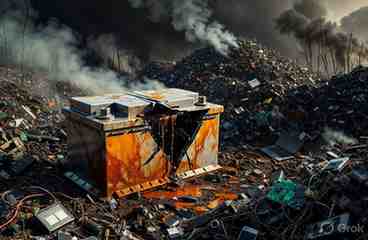
Yet, this shiny green transition holds a dark and deeply unsettling truth that the nation is only beginning to confront. While replacing petrol and diesel cars effectively eliminates tailpipe emissions, it simultaneously replaces a fuel crisis with a massive mineral crisis. The sheer volume of lithium ion batteries required to power millions of new passenger cars, two wheelers, and commercial fleets is staggering. Unlike fossil fuels that burn up and vanish, these massive battery packs eventually degrade and turn into millions of tons of hazardous electronics. Experts point out that India is currently ill prepared for the imminent mountain of dead batteries, with the formal recycling sector processing only a tiny fraction of the incoming waste. Most consumers, enticed by quick cash, still hand over expired items to informal scrap dealers who lack the technology to handle them safely. If this cycle continues unchecked, the country faces an immediate threat of toxic landfill leaks, severe soil contamination, and volatile chemical fires that could prove far more hazardous to local communities than the air pollution caused by older vehicles.
A deeper look into the supply chain reveals a complex puzzle where environmental goals directly clash with economic realities. The government recently launched a 16300 crore rupee National Critical Mineral Mission to secure resources, alongside a 169 crore rupee joint initiative with international partners to develop advanced recycling systems. However, building the technology to extract pure, high grade lithium and cobalt from shredded battery powder is an incredibly expensive and difficult process. Currently, a massive 80 to 90 percent of local recycling businesses stop at the easiest step, producing an unrefined powder and exporting it to East Asian nations who reap the final profit. By allowing this valuable material to leave its borders, the country risks becoming entirely dependent on foreign markets for finished battery cells, defeating the original purpose of moving away from imported petrol and diesel. Furthermore, with newer and cheaper battery chemistries flooding the market, the financial profit margins for recyclers are thinning out, making safe disposal a costly burden rather than a profitable venture.
To truly save the environment without creating a toxic waste epidemic, the nation must quickly pivot from a simple manufacturing boom to a strict circular economy. Relying solely on the strong consumer demand for electric cars is a short sighted strategy if the end of life lifecycle remains completely broken. Upcoming regulations set for 2027 will legally compel automobile manufacturers to use a fixed percentage of domestically recycled materials, which is a commendable step forward. However, rules on paper mean very little without strict ground enforcement and total tracking of every single battery cell from production to destruction. The country needs to aggressively scale up its sophisticated chemical processing facilities and create heavily incentivized, accessible collection centers for everyday citizens. If the government and private tech sectors fail to build a foolproof system to contain and neutralize this chemical wave, the aggressive rush to permanently eliminate petrol and diesel will simply exchange one environmental disaster for a much more permanent and dangerous toxic legacy.