
Iran Exempts India China Qatar Iraq From Hormuz Maritime Shipping Restrictions Carrying Strategic and Political Risks
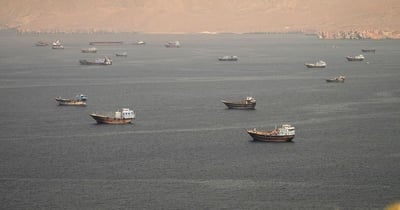
The Iranian government has announced a significant maritime exemption permitting commercial and energy vessels from India, China, Qatar, and Iraq to navigate freely across the vital Strait of Hormuz. The narrow waterway represents one of the most critical energy transit corridors in the world, handling approximately a fifth of global petroleum shipments. While Tehran has tightened operational controls and security inspections for Western-aligned shipping lanes, authorities have extended safe passage to selected trade partners to maintain vital economic lifelines and regional diplomatic relationships.
International maritime analysts have noted that the special transit exemptions carry considerable strategic benefits along with hidden geopolitical risks for the recipient nations. By offering safe passage to specific partners, Tehran is actively attempting to avoid complete diplomatic isolation and ensure steady trade flows for essential goods, crude oil, and liquefied natural gas. However, accepting favorable treatment from Iranian authorities places these nations in an awkward diplomatic position with Western powers that are working to enforce multilateral maritime sanctions and freedom of navigation rules.
For India, the exemption offers critical relief for domestic energy security and maritime trade. A major share of crude oil and liquefied petroleum gas required to power Indian industries, transport networks, and household kitchens passes directly through the Persian Gulf waters. Any disruption along the Hormuz corridor would instantly trigger crude price spikes, increase freight insurance premiums, and raise retail inflation across Indian cities. Continued unhindered movement protects the nation from sudden fuel shortages and expensive shipping diversions around Africa.
China remains the primary beneficiary of the policy, serving as the largest economic patron and crude oil buyer for Iranian energy exports. Beijing has invested heavily in long-term infrastructure and oil extraction partnerships across the region, making safe transit through Hormuz essential for its domestic manufacturing engine. By keeping sea lanes open for Chinese-flagged tankers, Tehran protects its most valuable source of foreign exchange and secures continuous geopolitical backing from a permanent member of the United Nations Security Council.
The inclusion of Qatar and Iraq reflects immediate regional realities and interconnected energy production chains. Qatar relies entirely on the narrow waterway to dispatch supertankers carrying liquefied natural gas to consumers across Asia and Europe. Iraq similarly exports the vast majority of its crude production from its southern terminals situated near Basra, making access through the strait unavoidable for its state revenue. By offering clear assurances to Doha and Baghdad, Iranian policymakers aim to prevent tensions with neighboring Arab states while projecting regional authority over navigation.
Despite the operational relief, maritime security experts warn that navigating selective exemptions in a volatile conflict zone is fraught with operational hazards. Commercial shipping lines often operate complicated multinational ownership structures, where a vessel might carry the flag of one nation, be owned by a financial entity from another, and be operated by an international crew. In such an environment, the risk of misidentification, boarding inspections, and naval confrontations remains high for vessels passing near naval patrol boats.
Diplomatic observers point out that the policy serves as a calculated pressure tactic directed against Western capitals. By showing that it can selectively allow or block commercial access to the global oil supply, Tehran demonstrates leverage over international energy pricing without causing a universal shutdown that would unite the entire world against it. This divide-and-rule strategy allows Iranian negotiators to show strength to the United States and European allies while keeping Asian energy buyers cooperative.
Western maritime defense coalitions patrolling the surrounding waters continue to emphasize that international maritime law guarantees open transit rights for all registered merchant ships through global straits. Allied naval commanders have rejected the legality of unilateral inspections or selective passage permissions, arguing that navigation through international waterways must remain free from political conditions. The growing friction highlights the delicate line commercial shippers must walk between international legal rights and local military realities.
The situation leaves commercial operators and energy importers carefully balancing their supply chains against unpredictable geopolitical shifts. While the exemption provides temporary security for Indian and Asian trade vessels, long-term stability depends heavily on broader diplomatic negotiations in the Middle East. Until lasting peace frameworks are established, commercial vessels will continue navigating the Hormuz waters under tight operational vigilance and complex geopolitical balances.