
Iran Hardline Newspaper Releases Infographic Targeting Donald Trump And Several Western Leaders
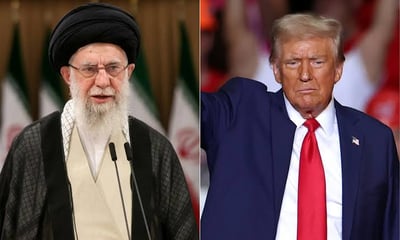
Geopolitical instability in the Middle East has entered a deeply unsettling phase as media outlets in Tehran draw global attention with aggressive rhetoric. On July 12 2026, an online publication linked to the hardline Hamshahri daily newspaper released a controversial graphic showcasing the faces of 13 prominent international figures. This media development coincided with a powerful public statement issued by the newly appointed top Iranian guide, Mojtaba Khamenei, who stepped into the leadership position after his father lost his life during the sudden outbreak of military hostilities on February 28. In his initial address following the conclusion of the official state funeral services, the new leader explicitly stated that an act of retribution is absolutely unavoidable. He emphasized that the individuals responsible for the initial military actions would never find comfort, adding that a specialized roster of specific targets had already been formally drawn up by internal state departments.
The digital presentation published by the municipal publication lists several of the most powerful political actors on the modern global stage. Among the high profile faces displayed in the infographic are United States President Donald Trump, Israeli Prime Minister Benjamin Netanyahu, and British Prime Minister Keir Starmer. The visual list also targets top Western cabinet members and European heads of state, including United States Secretary of State Marco Rubio, Defense Secretary Pete Hegseth, French President Emmanuel Macron, Italian Prime Minister Giorgia Meloni, and German Chancellor Friedrich Merz. Regional political commentators observed that the inclusion of major European heads of state stems from deep rooted anger in Tehran, where officials have repeatedly accused continental governments of remaining completely silent during foreign military operations. Furthermore, Iranian leadership has openly alleged that several Western nations acted as direct accomplices by allowing foreign combat aircraft to navigate freely through their domestic sovereign airspace during the initial military bombardments.
This psychological warfare highlights a complex regional strategy designed to boost internal morale while projecting strength to an international audience. By utilizing a prominent public newspaper to circulate these graphic warnings, the regional establishment is attempting to satisfy domestic hardliners who are fiercely demanding immediate, visible retaliation for the loss of their longtime spiritual guide. However, it is highly critical to recognize the strategic separation between state media messaging and official government policy. The fact that this specific visual presentation was completely omitted from the formal print edition of the newspaper on July 13 suggests that top state diplomats are keeping a window open for deniability. This tactical ambiguity allows Tehran to signal aggressive intent to its domestic supporters without instantly forcing formal state institutions into executing high risk international operations that could trigger a much larger global response.
The long term fallout of this public media threat could significantly complicate ongoing diplomatic channels and international maritime security efforts. As global organizations struggle to restore stability along crucial trading lanes, public calls for the targeting of Western leaders will likely harden the foreign policy stances of Washington and its continental allies. Rather than forcing Western powers to scale back their operations, these provocative public declarations generally compel international intelligence bodies to reinforce security protocols around their state officials. The coming weeks will show whether this media posturing will translate into actual asymmetrical security threats or if it will simply remain a tool for internal political consumption. Without a coordinated effort from neutral international mediators to defuse the underlying military friction, the distribution of such aggressive lists will inevitably push the participating nations further away from any viable diplomatic compromise.