
Iran Threatens US Allies With Military Action Following Explosive Regional Air Strikes
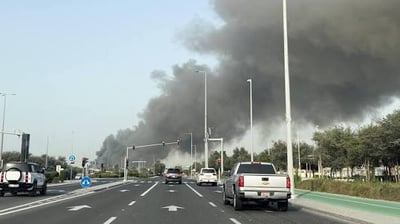
The fragile peace in the Middle East has shattered once again following an intense round of American military operations. In an official declaration released on July 13 2026, the Iranian Ministry of Foreign Affairs issued a fierce condemnation of the latest US air strikes, branding them a flagrant violation of the United Nations Charter. The conflict reignited after the United States launched massive precision attacks hitting approximately 140 military sites inside Iranian territory, focusing heavily on coastal surveillance, missile bases, and drone storage locations. In response to this heavy bombardment, Tehran has directed a chilling warning toward global and regional nations. The Iranian government explicitly announced that any country allowing its sovereign territory, military bases, or airspace to be used by American forces to execute attacks against Iran will be treated as the origin of aggression and dealt with as a legitimate target for defensive military operations.
This sudden escalation comes immediately after the complete breakdown of a short lived ceasefire agreement brokered by Pakistan just weeks prior. While diplomatic channels in Muscat were active in attempting to secure international shipping routes and manage the vital Strait of Hormuz, the peace efforts fell apart when the United States declared the understanding over, citing ongoing threats to commercial vessels. The renewed American air strikes, executed by United States Central Command using an array of advanced fighter aircraft, naval vessels, and combat drones, shook several southern Iranian coastal cities including Jask and Bandar Abbas. The Iranian leadership argues that these actions completely undermine regional stability. Furthermore, senior Iranian diplomats have extended this warning to European nations that are currently increasing their naval presence in the Mediterranean, advising them to steer clear of the growing hostilities or face direct retaliation.
The current military strategy reveals a highly dangerous geopolitical game where deterrence might accidentally trigger a full scale regional war. The decision by Iran to publicly threaten third party nations that host American bases is a calculated move designed to pressure neighboring Gulf countries into denying Washington access to their facilities. By raising the stakes of collaboration, Tehran hopes to isolate the American military presence in the region. However, this strategy carries immense risk. If a neighboring nation is accused of assisting a US operation, a retaliatory strike by Iran could instantly drag multiple countries into the crossfire, effectively turning a bilateral conflict into a multi nation crisis. The failure of the United Nations to effectively enforce the initial ceasefire further highlights the weakness of global diplomatic bodies when major powers choose direct military action over sustained dialogue.
Ultimately, the rapidly deteriorating situation threatens the entire global economy due to its proximity to crucial energy transit points. United Nations Secretary General Antonio Guterres has already voiced profound concern regarding the severe global consequences of this escalating warfare, particularly the threat to international shipping lanes. As both Washington and Tehran dig in their heels, the likelihood of a peaceful diplomatic exit looks increasingly small. The coming days will test the resolve of regional allies who must now balance their defense partnerships with the United States against the immediate threat of becoming defensive targets for Iranian missiles. Without immediate intervention from neutral international mediators, this volatile cycle of strikes and counter threats will likely push the entire region into an unpredictable era of direct military confrontation.