
Qatar Blocks Volkswagen Defense Deal With Rafael As Critical German Automotive Plant Faces Closure
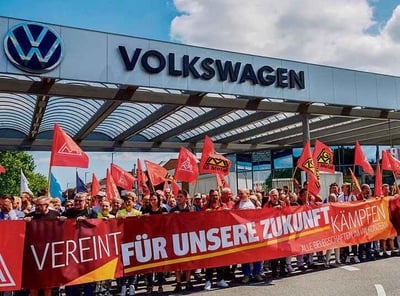
A major geopolitical intervention has sent shockwaves through the global automotive and defense industries as Qatar blocked a massive manufacturing partnership between German carmaker Volkswagen and Israeli defense company Rafael. The proposed deal was strategically designed to convert a portion of the struggling Volkswagen production plant located in Osnabrueck, Germany, into a defense manufacturing hub. Under this industrial plan, Rafael would have manufactured vital components for its famous Iron Dome missile defense system directly inside the German facility. The strategic pivot was intended to help Volkswagen navigate one of the deepest financial crises in its long history, brought on by fierce competition from Chinese electric vehicle manufacturers and falling international market share. By shifting toward the rapidly expanding European military defense sector, the automotive giant aimed to utilize its surplus production capacity and safeguard a highly skilled industrial workforce.
The sudden collapse of the partnership places the immediate future of the Osnabrueck facility and its 2300 employees into deep economic uncertainty. The Qatar sovereign wealth fund, which owns a substantial 10.4 percent of Volkswagen shares and commands 17 percent of the company voting rights, actively used its immense corporate leverage to veto the entire agreement due to the involvement of an Israeli entity. This corporate decision highlights the growing friction between international capital investments and corporate restructuring strategies during intense geopolitical conflicts. While Volkswagen corporate leadership viewed the defense partnership as a purely commercial solution to avoid mass layoffs, the ultimate veto shows that large international shareholders are highly sensitive to political alignments. The situation leaves thousands of industrial workers facing the immediate threat of job losses, showing how vulnerable local manufacturing communities can be to decisions made by foreign investment funds.
Beyond the corporate boardroom, the proposed industrial partnership had already sparked intense domestic controversy and public debate across Germany. Various local peace activists and political figures from the opposition Left Party strongly argued that Volkswagen must remain a strictly civilian manufacturer, vocalizing intense opposition against any cooperation with an Israeli defense corporation. Critics frequently pointed to ongoing military campaigns in the Middle East to protest the deal, creating a complex web of local political pressure and international financial opposition. This domestic backlash created a highly sensitive environment for the carmaker, making any smooth execution of the defense transition incredibly difficult. The convergence of domestic political protests and a swift foreign shareholder veto effectively killed the initiative before it could provide any financial relief to the struggling automotive plant.
Volkswagen has officially confirmed that its Qatari shareholders opposed the defense cooperation and stated that management is now forced to explore alternative industrial solutions to preserve the historic site. The collapse of the Rafael agreement serves as a stark reminder of the massive structural challenges facing traditional European industrial giants in a changing global market. As carmakers struggle with the costly transition to electric vehicles and shrinking profit margins, finding viable alternative uses for legacy factories remains a critical challenge. The resolution of this crisis will require innovative industrial planning that can satisfy both local political demands and foreign investor requirements without sacrificing thousands of manufacturing jobs. For now, the workforce remains in limbo as the corporation searches for a new strategy to save the facility from permanent closure.