
Iran Rejects White House Peace Proposal Without Firm Guarantees As Washington Threatens Renewal Of Military Action Is Trump brain hacked by Israel netanyahu
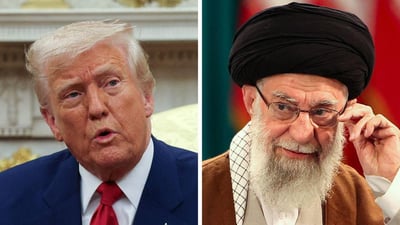
The fragile diplomatic efforts to conclude the devastating conflict in the Middle East have hit a severe roadblock as Iran officially rejected the latest peace framework proposed by the United States. Speaking before the state assembly Tehran chief negotiator and parliamentary speaker Mohammad Bagher Ghalibaf made it clear that the Islamic Republic will not sign any memorandum of understanding unless there are absolute verifiable guarantees protecting the core rights and economic interests of the Iranian people. This defiant stance from the Iranian leadership comes directly in response to a newly modified tougher draft sent by Washington which demands the complete dismantling of the Iranian nuclear program and unhindered global access through the blockaded Strait of Hormuz. With both sides deeply entrenched in their positions the temporary ceasefire brokered by international mediators is growing increasingly unstable sparking deep concerns worldwide that the region is on the brink of falling back into a state of total unrestricted warfare.
From a tactical perspective the sudden hardening of terms by the United States represents a high stakes gamble that could either force major concessions or completely destroy months of delicate diplomatic progress. The administration in Washington has adopted an uncompromising posture with defense officials openly stating that American forces are more than capable of resuming strategic airstrikes if Tehran refuses to comply with the new nuclear restrictions. By tying sanctions relief and the release of twelve billion dollars in frozen assets directly to the verifiable destruction of enriched uranium stockpiles the United States is attempting to use maximum economic coercion to dictate the terms of peace. However this aggressive approach overlooks the internal political realities within Iran where capitulating to foreign ultimatums without securing immediate tangible benefits is viewed as political suicide for the leadership. Rather than forcing a swift surrender this intense pressure appears to be producing the opposite effect driving Iranian negotiators to dig in their heels and demand ironclad counter guarantees before making a single move.
This escalating diplomatic standoff also highlights a profound disconnect between the public statements made by Western leaders and the actual realities on the ground. While the White House has publicly claimed that significant progress was being made regarding nuclear non proliferation Iranian officials have dismissed these assertions as entirely baseless fabrications meant for domestic political consumption. The situation is further complicated by Tehran insistence that any final security agreement must also include protections for Lebanon where intense fighting between Israeli forces and regional groups continues to rage despite the wider ceasefire. By demanding a comprehensive regional solution rather than a isolated bilateral agreement Iran is intentionally raising the stakes making it incredibly difficult for Western diplomats to find a middle ground. The reliance on indirect communication channels through third party intermediaries has only slowed down the process allowing mutual suspicion to fester while both militaries quietly prepare for a potential breakdown of the truce.
Ultimately the current deadlock demonstrates that military threats alone cannot substitute for a realistic diplomatic strategy that addresses the fundamental security anxieties of all involved parties. As the United States adopts a less urgent tone and signals that it is in no hurry to finalize a compromise the risk of an accidental escalation triggers an immediate threat to global energy corridors and regional stability. History has repeatedly proven that peace frameworks built entirely on the concept of unconditional submission rarely endure and often plant the seeds for even more intense future confrontations. If negotiators in Washington and Tehran cannot find a way to balance the American demand for long term nuclear verification with the Iranian requirement for economic sovereignty the current pause in hostilities will be remembered not as a path to peace but merely as a brief breathing room before a far more destructive phase of regional conflict.