
Journalist Filmmaker IIT Alumnus Cockroach Janta Party Names 3 Spokespersons Ahead Of National Education Protest
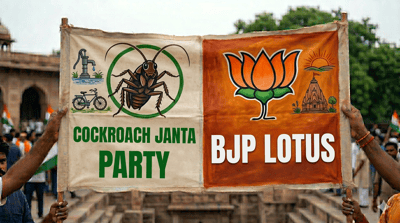
In a stunning move that marks a major turning point for online grassroots mobilization in India, the Cockroach Janta Party has officially named its first three public spokespersons. This rapid transition from a satirical internet handle to a structured political entity took place at a highly publicized press conference at the Constitution Club of India in New Delhi. The group announced that investigative journalist Saurav Das will step into the role of chief spokesperson, accompanied by political researcher and filmmaker Vijeta Dahiya, and IIT Kanpur alumnus Ashutosh Ranka. By appointing a team packed with immense intellectual weight, media literacy, and analytical depth, the movement is signaling a serious shift away from conventional identity based political communication. This structural evolution comes just days before a massive physical street demonstration, sending a clear message that the youth collective is ready to challenge the existing administrative status quo directly on the ground.
The sudden formalization of this communication team is strategically timed right before a national protest scheduled for June 6 at Jantar Mantar. The core demand uniting this rapidly growing collective is the immediate resignation of Union Education Minister Dharmendra Pradhan. The leadership team highlighted that gross irregularities, widespread paper leaks, and sudden cancellations across massive national entry evaluation platforms like NEET UG, CUET, and the Central Board of Secondary Education on screen marking system have pushed over one crore young students into deep despair. The newly appointed chief spokesperson pointed out that while an online petition demanding the removal of the education minister has crossed nearly eight lakh signatures, the state response has been limited to the routine transfer of bureaucratic secretaries, which the collective dismisses as an absolute eyewash. With prominent climate activist and educator Sonam Wangchuk also pledging his public presence to the physical march, the upcoming demonstration represents a powerful convergence of digital outrage and street level accountability.
Looking closely at the mechanics of this rapid mobilization reveals a fascinating evolution in how modern democratic dissent operates. For decades, standard political groups have relied heavily on vast financial resources, local muscle, and complex institutional machinery to gather crowds. In sharp contrast, this youth movement managed to capture over twenty two million followers on Instagram within a few weeks using sharp, uncompromising satire. Reclaiming a controversial comment about critical citizens, the group turned an intended insult into a powerful badge of resilience for unemployed and frustrated youth. The collective strategy of combining a seasoned transparency reporter known for public interest activism, a regional cinematic storyteller, and a former McKinsey consultant educated at the London School of Economics gives the movement an incredibly sophisticated edge. It allows them to break down complex institutional data into highly engaging narratives that appeal directly to ordinary citizens who feel entirely left out by current administrative choices.
However, transitioning from a loose, fluid digital community into a formalized corporate style organization brings serious systemic challenges. The primary charm and safety of online satirical movements often lie in their decentralized nature and lack of formal hierarchy, which makes them incredibly difficult for state machinery to target or penalize. By establishing official positions and announcing public faces, the organization is now opening itself up to heavy legal scrutiny, potential tracking, and targeted institutional pushback. There is also an inherent risk that the raw, organic energy of a digital youth collective might get bogged down by the slow realities of formal press management and strategic structural planning. Whether this brilliant experiment of bringing internet satire into mainstream public activism can achieve genuine, long term systemic reforms remains to be seen, but it has undoubtedly created a highly sophisticated, independent template for youth led accountability that the established system simply cannot afford to ignore.