
Iran Rushes To Secure Oil Deals With Asias Top Importers After US Grants Sanctions Waiver
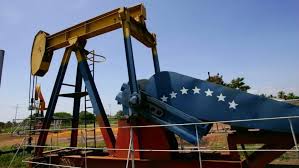
The global energy market has been upended by a massive diplomatic shift as Tehran launches an aggressive diplomatic and trade campaign across Asia. Following a surprise announcement from Washington granting temporary sanctions waivers, the Iranian oil ministry has dispatched high level delegations to lock in long term supply contracts with the largest petroleum consumers in the world. The sudden policy change by the United States allows a select group of major economies to import Iranian crude oil without facing immediate, secondary financial penalties from western banking networks. Eager to capitalize on this limited operational window, Iranian energy executives are offering highly attractive pricing models, deferred payment options, and flexible shipping arrangements to rapidly claw back the market share they lost during years of strict international blockades. The sudden move has triggered intense commercial competition among regional buyers who are looking to secure cheap energy supplies to power their manufacturing sectors.
The primary focus of this intensive diplomatic push centers on key economic hubs across East and South Asia, where energy security remains a critical domestic priority. Indian and Chinese state owned refineries, which historically stood as the largest consumers of Iranian crude, have immediately entered into preliminary discussions to evaluate the technical and logistical feasibility of increasing their import volumes. For these nations, the availability of discounted Iranian oil presents an incredible economic opportunity to lower domestic inflation, stabilize fuel prices, and reduce their reliance on more expensive African or Middle Eastern blends. However, the commercial rush is being managed with extreme caution. Refiners are carefully evaluating the strict conditions attached to the US waiver, as corporate compliance teams work to ensure that their financial transactions do not accidentally cross the legal boundaries set by western regulators, which could trigger sudden asset freezes.
A closer look into the strategic timing of this energy offensive reveals deep economic motivations for the Iranian state. Years of crushing economic isolation have severely strained the domestic treasury of the country, leading to currency devaluation and high inflation. The temporary lifting of energy barriers offers Tehran a vital economic lifeline, allowing it to generate billions of dollars in hard currency reserves. However, this heavy reliance on short term political waivers highlights a fundamental structural vulnerability in the economic model of the nation. By rushing to discount its primary commodity to secure quick sales, Iran remains dangerously exposed to the shifting political winds of Washington. If a future administrative shift reverses the waiver policy, Asian buyers will likely abandon their contracts overnight to protect their access to the western financial system, leaving Tehran with massive unsold inventories and a deeper economic crisis.
This fast evolving energy dynamic highlights the complex intersection of global diplomacy and corporate commerce. While the temporary waiver provides immediate financial relief to Tehran and lowers energy procurement costs for major Asian economies, it does not represent a permanent resolution to the long standing geopolitical disputes in the region. The sudden availability of cheaper Iranian oil could also complicate relations within the OPEC alliance, as other major producers face downward pressure on global crude prices. Moving forward, the ultimate success of this energy push will depend on whether Tehran can convert these temporary trade agreements into deeper, institutional economic partnerships that can survive future sanctions. Until a comprehensive, permanent multilateral treaty is established, the Asian energy corridor will remain highly volatile, with trade flows constantly shifting based on political developments between Washington and Tehran.