
Without Missiles We Would Be Like Gaza Iran Rejects Missile Curbs In Any US Deal
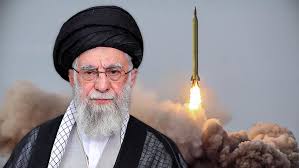
The geopolitical standoff between Washington and Tehran has intensified significantly following a firm declaration from the Iranian leadership regarding its core defense infrastructure. As seen in the headline from image 6d2ca9.png, Iran has flatly rejected any proposed limits on its ballistic missile capabilities as part of ongoing diplomatic talks with the United States. This absolute refusal comes at a critical juncture when western negotiators are pushing for a comprehensive security treaty that would tie nuclear restrictions to a mandatory reduction in long range missile production. Tehran has made it explicitly clear that its aerial deterrent architecture is entirely non negotiable, framing the defensive capability as an existential necessity for the preservation of its national sovereignty and regional security.
The core of the Iranian defense policy relies heavily on maintaining a powerful tactical response capability to offset its conventional military limitations. Iranian leadership underscored this position with a stark and direct comparison, stating that without its robust missile program, the country would find itself entirely defenseless against foreign military operations and would end up looking just like Gaza. This intense phrasing reflects deep systemic fears within the Iranian establishment regarding potential regime change operations and unilateral military interventions by adversarial powers. By using the ongoing humanitarian and destruction crisis in Gaza as a direct strategic reference point, Tehran seeks to justify its domestic defense spending and maintain strong political unity behind its ballistic programs despite the heavy weight of western economic sanctions.
This rigid defensive posture creates a massive diplomatic roadblock for the United States, which has consistently demanded strict controls over regional weapon proliferation. US Secretary of State Marco Rubio and President Donald Trump have both maintained that a final diplomatic agreement must look beyond nuclear verification to include verified curbs on Iranian missile development and regional proxy funding. However, the open rejection from the Iranian side proves that the two nations are operating on completely incompatible strategic assumptions. While Washington views the missile program as an aggressive threat to global trade routes like the Strait of Hormuz, Tehran views the exact same weapons network as its singular guarantee against foreign invasion, rendering any compromise on the matter a total operational impossibility.
The complete deadlock over missile curbs indicates that any upcoming diplomatic efforts face an incredibly high risk of collapse before a final text can even be drafted. With Iran holding firm on its deterrent capabilities and the United States refusing to lift core economic sanctions without comprehensive weapons restrictions, both sides remain locked in a highly dangerous cycle of public posturing. True stabilization in the region cannot occur as long as both governments prioritize domestic political signaling over practical concessions. If secret backchannel negotiations fail to establish a realistic middle ground that addresses Iran defense fears while providing verifiable safety assurances to global shipping lanes, the international community will likely see an escalation of military tension and economic pressure across the Persian Gulf.