
Trump Sidelines Israel to Sign Historic 12 Billion Dollar Deal with Iran While Global Oil Prices Crash
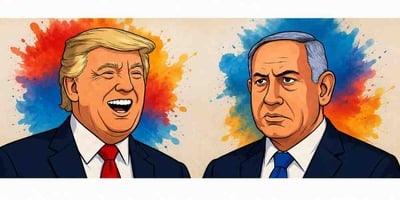
A stunning diplomatic breakthrough in Switzerland has completely reshaped the political landscape of the Middle East as the United States and Iran finalized an agreement to release 12 billion dollars in frozen Iranian assets. The highly anticipated deal, which was initiated during secret preliminary discussions in Qatar and formally signed at a Swiss resort, marks a dramatic turn in global foreign policy. Under the strict terms of this new memorandum of understanding, the 12 billion dollars will be transferred to Iran in 2 equal tranches of 6 billion dollars each through tightly monitored Qatari banking channels. To ensure the smooth implementation of this framework, Washington has officially issued a crucial 60 day sanctions waiver that temporarily permits Iran to export its crude oil and petrochemical products to international markets. This unexpected de-escalation immediately sent shockwaves through energy sectors, triggering a swift 4 percent drop in global Brent crude prices and offering instant relief to an anxious world economy.
Beneath the surface of this massive financial transaction lies a severe diplomatic rift that shows Israeli Prime Minister Benjamin Netanyahu has been completely sidelined by the Trump administration. For months, Jerusalem aggressively lobbied against any economic concessions to Tehran, demanding a continuation of military pressure across the region. However, the white house intentionally withheld preliminary negotiation texts from Israeli leadership, pushing the deal forward despite intense objections from Netanyahu regarding ongoing military operations. This deliberate isolation underscores a massive shift in American priorities, where domestic economic stability and the preservation of global shipping lanes through the Strait of Hormuz have taken precedence over traditional wartime alliances. Senior officials in Washington have openly hinted that sidelining the Israeli administration was necessary to de-escalate regional warfare and protect global trade from further disruption.
A fierce war of words has now erupted between Washington and Tehran regarding exactly how these billions of dollars will be spent. The white house is actively promoting this agreement as a historic domestic victory for the American economy, with vice president JD Vance explaining a structured process where the United States and Qatar retain strict oversight. According to American officials, the unfrozen funds are designed to be funneled directly into the US agricultural market to purchase massive quantities of American corn, soybeans, and wheat, thereby directly boosting revenues for domestic farmers. Conversely, the Iranian foreign ministry and central bank have fiercely rejected this restricted narrative, calling the American agricultural claim a political cover story to hide a major policy retreat. Iranian leaders state they maintain full national sovereignty over the funds, arguing that the money will not be restricted to basic humanitarian goods but will actively fund broader industrial imports and domestic reconstruction projects.
This fragile agreement reveals a highly calculated exercise in political survival for both participating governments, executed at the direct expense of Israeli geopolitical leverage. By structuring the asset release around a 60 day window, the Trump administration has successfully created an economic win for its domestic voter base while forcing Iran to agree to direct communication channels to prevent maritime conflict. For Iran, securing an immediate lifeline for oil revenues provides essential economic breathing room, even under the watchful eye of international banking supervisors. However, the true casualty of this Swiss memorandum is the traditional unity between the United States and Israel, as Netanyahu now faces immense domestic political fury over being blindsided by his most critical global ally. While Washington and Tehran continue to spin the narrative to project absolute strength to their respective citizens, the reality remains that global market stability has forced a temporary peace that leaves long term regional strategies completely uncertain.