
Iran US Peace Deal Blindsides Israel Leaving Netanyahu In Geopolitical Isolation And Fighting For Political Survival
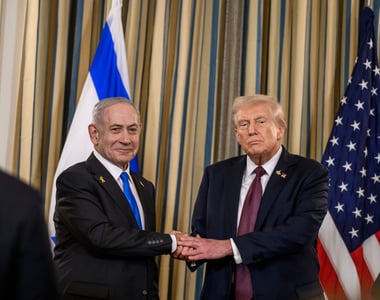
The geopolitical landscape of West Asia experienced a massive seismic shift following the signing of a landmark 14 clause memorandum of understanding between United States President Donald Trump and Iranian President Masoud Pezeshkian. Designed to halt months of devastating regional conflict, the bilateral agreement mandates an immediate and permanent termination of military operations across all fronts, explicitly incorporating Lebanon into the comprehensive ceasefire architecture. The agreement also sets a strict 60 day negotiation window to finalize a permanent peace treaty, while offering Iran massive economic relief, including the lifting of naval blockades, oil export waivers, and a staggering 300 billion dollar regional reconstruction plan. However, this historic diplomatic breakthrough has blindsided Israel, which was excluded from the final text review, triggering a mixture of intense anger, suspicion, and deep humiliation within Jerusalem.
For Israeli Prime Minister Benjamin Netanyahu, the deal represents a devastating strategic setback that directly threatens his domestic political survival with national elections just 3 to 4 months away. For years, Netanyahu built his entire political brand on a absolute refusal to accommodate Iran and its regional proxies, promising the Israeli public total victory and the complete disarmament of hostile forces. The unexpected pact between Israel's most vital global ally and its fiercest existential adversary completely upends that narrative, making earlier military gains appear heavily compromised. Political opponents have wasted no time launching fierce domestic broadsides, with former Prime Minister Naftali Bennett publicly labeling the development a historic failure against Iran. Netanyahu now finds himself in a hazardous political squeeze, as a large section of the Israeli electorate has been conditioned to expect definitive military triumphs rather than sweeping diplomatic concessions orchestrated by Washington.
The most explosive immediate challenge stemming from the framework is the military campaign in Lebanon against the armed wing of Hezbollah. While the document dictates a complete cessation of hostilities and implies an Israeli military withdrawal from occupied southern territories, Israeli Defense Minister Israel Katz has adamantly stated that forces will remain in their established security zones for an unlimited period. Israel claims it is not legally bound by a bilateral agreement it never signed, and drone strikes have reportedly continued in southern Lebanon. However, continuing the fight carries an immense risk of infuriating President Trump, who has already fiercely criticized Israel's aggressive urban tactics and warned Netanyahu that his judgment was zero after specific strikes delayed the peace process. Trump has reportedly issued a blunt warning that further escalations could leave Israel completely on its own, forcing Jerusalem to carefully balance critical national security requirements against the dangerous prospect of full diplomatic isolation.
Faced with these narrowed options, the Israeli administration is shifting its focus toward a highly intensive campaign of backroom diplomacy to influence the upcoming final treaty. Over the designated 60 day negotiation window, Israeli officials plan to aggressively lobby conservative media figures, friendly United States senators, and pro Israel lawmakers in Washington to demand much stricter terms regarding Iran's nuclear centrifuges, enriched material, and regional missile capabilities. This strategy may face a steep uphill battle, as even traditionally hawkish American politicians have begun publicly praising the agreement as beneficial for global stability. Ultimately, Netanyahu must quickly decide whether to defiantly escalate military campaigns in Lebanon to satisfy a restless domestic voter base or begrudgingly align with Washington's new diplomatic order. Failure to convert hard fought battlefield milestones into a secure, internationally backed political arrangement could spell the definitive end of his lengthy political dominance.