
Is BJP MP Abusing 140 Crore Indians With Baap Ka Ghar Remark Over Ethanol Blended Petrol Row
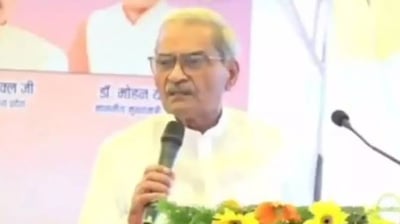
A major political and public controversy has erupted following sharp comments made by Bharatiya Janata Party parliamentarian Janardan Mishra regarding the central government policy on ethanol blended petrol. Speaking at a public event organized to launch regional flight connections at Rewa airport, the senior lawmaker aggressively dismissed consumer concerns regarding the mandatory rollout of E20 fuel. Defending the initiative to mix twenty percent ethanol with standard petrol, he questioned critics by asking whether pure petrol would come from their father house. The blunt Baap Ka Ghar colloquial phrasing immediately drew fierce backlash from motorist associations, consumer rights groups, and everyday commuters who have been raising valid questions about vehicle performance and maintenance costs.
Addressing the public gathering, the lawmaker attempted to justify the fuel blending policy by highlighting national energy constraints. He emphasized that the country currently produces only twenty percent of its domestic crude oil requirement, while relying on international markets for the remaining eighty percent. Pointing to international conflicts and long shipping detours around major sea routes, he maintained that blending locally produced sugarcane and grain ethanol is essential to safeguard energy security and reduce foreign expenditure. He further claimed that automobile engines in countries like Brazil run seamlessly on high concentration ethanol blends without experiencing operational failures, asserting that domestic vehicle owners are being misled by unnecessary negative campaigns. He argued that mechanics and engineering experts support the feasibility of blended fuels, insisting that the transition remains crucial for ensuring uninterrupted fuel availability nationwide.
Despite his attempt to frame the issue as a matter of national self-reliance, the confrontational tone of his address triggered strong public condemnation. Vehicle owners across urban and rural centers have reported genuine financial losses due to rapid engine wear, water absorption, and reduced fuel efficiency caused by higher ethanol concentrations in older engine models. While automakers have gradually updated newer vehicle models to ensure full compatibility with twenty percent ethanol blends, millions of older vehicles currently in daily use remain vulnerable to long-term component degradation. Motorists argue that when taxpayers pay high fuel taxes and express legitimate concerns about vehicle longevity, responding with dismissive and personal remarks demonstrates a total lack of empathy for ground-level economic realities.
Beyond the immediate debate over fuel composition, the lawmaker has a long history of making headlines for unconventional public remarks in his constituency. In previous years, he made news during a water conservation workshop by making unusual remarks about saving water, and on another occasion was filmed cleaning a rural school toilet with his bare hands. Political observers note that while his blunt rhetorical style is intended to project plain speaking, his aggressive defense of national policies frequently turns technical economic debates into bitter public arguments over official accountability and public decorum.
The controversy comes at a time when millions of daily commuters navigating fuel stations are seeking clear information regarding fuel quality, price benefits, and engine safety. The refusal to offer unblended petrol options at standard filling stations has left many feeling that their choices as consumers are being ignored. When public representatives react to honest public grievances with harsh and insulting language, it damages the trust between citizens and the government. As public discourse grows increasingly heated over fuel blending policies, citizens across the country are left asking a fundamental question about official conduct and respect for taxpayers: is BJP MP abusing 140 crore Indians?