
Israel Election Palestinian Citizens Face Choice Between Fear And Disillusionment
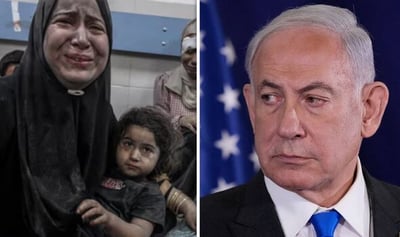
Democracy often rests on the premise that every citizen holds an equal voice in shaping government policies. However, a critical look at modern political landscapes reveals stark realities where minority populations must navigate systemic hurdles just to have their concerns acknowledged. This dynamic forms the core of the current electoral tension faced by Palestinian citizens of Israel, who find themselves caught in a complex web of fear, disillusionment, and strategic calculation.
As the electoral race intensifies, approximately 1.2 million Palestinian citizens of Israel represent a substantial demographic block that theoretically holds the potential to influence parliamentary outcomes. Despite making up a vital segment of the population, these voters face an environment shaped by deep-seated political alienation. Years of hostile rhetoric, restrictive legislative measures, and structural disadvantages have left many questioning whether participating in the national ballot yields any meaningful change or merely legitimizes an unequal system.
A central dilemma for these voters involves choosing between principle and strategic voting. On one hand, disillusionment runs deep due to mainstream political parties consistently marginalizing Arab interests or sidelining critical issues related to civil equality and regional peace. On the other hand, low voter turnout risks handing complete control to hardline nationalist factions that actively push for policies detrimental to minority rights. This creates a painful paradox where community members must decide whether to engage with a flawed political mechanism or disengage entirely as a form of protest.
Compounding this internal debate is the broader political atmosphere marked by heightened security measures and severe polarization. Critics and political analysts point out that mainstream Israeli political discourse frequently treats Palestinian citizens through a securitized lens rather than as equal stakeholders in civic life. Consequently, community leaders and activists face intense scrutiny, adding a layer of genuine apprehension to grassroots mobilization efforts and public expression.
Examining this situation critically highlights the severe limitations of representation within the current framework. While Arab-led political parties attempt to act as legislative kingmakers, internal divisions and the high electoral threshold often weaken their collective bargaining power. Major Jewish-led opposition blocs frequently distance themselves from potential coalitions with Arab factions, further isolating Palestinian voters and reinforcing the perception that their political participation is unwanted by the political establishment.
Ultimately, the choice facing Palestinian voters in this election goes beyond picking a preferred political party. It represents a profound test of resilience within a system stacked against them. Whether they choose to leverage their numbers strategically or express their frustration through boycotts, their stance reflects a deep-rooted struggle for dignity, equality, and recognition in a deeply fractured society.