
Israel fears US Saudi nuclear deal risks nuclear proliferation across the Middle East
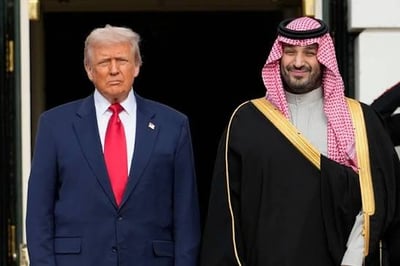
Tensions mounted across diplomatic circles in Tel Aviv and Washington on 27 July 2026 as Israeli defense and intelligence officials voiced alarm over ongoing trilateral negotiations for a US Saudi security pact. At the heart of the controversy is Riyadh's insistence on establishing an indigenous civilian nuclear energy program that includes domestic uranium enrichment capabilities on Saudi soil. While Washington views the broader agreement as a historic opportunity to formalize diplomatic ties between Saudi Arabia and Israel, top Israeli security strategists warn that granting enrichment rights to a regional power sets a perilous nuclear precedent that could undermine regional stability for decades to come.
The primary defense concern for Israel centers on the technical reality of dual use nuclear infrastructure. Domestic enrichment capabilities required for peaceful power generation can be reconfigured to produce weapons grade fissile material if geopolitical alliances shift in the future. Israeli military analysts point out that if Saudi Arabia secures a domestic fuel cycle, neighboring nations like Turkey, Egypt, and the United Arab Emirates may feel compelled to demand identical enrichment rights. This ripple effect could effectively unravel international non proliferation frameworks, leading to a multi polar nuclear environment in one of the world's most volatile geographic regions.
To address these security fears, various safeguards and alternative arrangements have been proposed in high level diplomatic discussions. Proposals range from establishing a US owned and operated nuclear fuel bank within Saudi Arabia to implementing intrusive inspection protocols through the International Atomic Energy Agency. However, Saudi officials maintain that an independent fuel cycle is a non negotiable aspect of their long term economic modernization plans. For Israel, accepting a nuclear capable neighbor represents a profound strategic dilemma, balancing the immediate political appeal of regional normalization against long term military vulnerabilities.
The policy debate carries significant consequences for the future of global non proliferation standards and international security. Washington faces the delicate challenge of negotiating a landmark diplomatic agreement without compromising long standing non proliferation principles or endangering the strategic defense posture of key regional allies. As lawmakers in the US Congress prepare to scrutinize any finalized treaty, the debate surrounding the US Saudi nuclear deal highlights the complex trade offs between short term diplomatic breakthroughs and enduring regional security on 27 July 2026.