
Japan Earthquake 29 July 2026 Causes Shopping Mall Collapse In Kumamoto
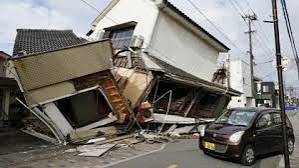
Tragedy struck southwestern Japan on 29 July 2026 when a powerful 7.1 magnitude earthquake shattered the morning peace in Kumamoto prefecture, causing widespread structural destruction and leaving local communities in deep shock. Panic spread across towns as violent ground shaking rattled homes, cracked major roadways, and severed utility power lines across the region. The most severe incident occurred at the bustling Aeon Mall in the town of Kashima where the second floor completely collapsed following a suspected gas leak explosion triggered by the heavy tremors. Shoppers and retail employees were trapped under heavy concrete debris, transforming an ordinary morning shopping routine into a terrifying battle for survival. Local emergency services confirmed at least 13 fatalities across the province while rescue teams continue working around the clock to locate missing citizens.
Human stories of courage and rapid emergency response quickly emerged from the disaster zone as community members worked alongside professional rescuers. Within minutes of the primary quake, emergency sirens echoed across Kashima as ground teams from the Japan Self Defense Forces joined local firefighters, medical personnel, and specialized search dog units at the collapsed shopping complex. Eyewitnesses described a deafening roar followed by thick clouds of dust as concrete beams gave way, leaving families separated in the chaotic moments. Emergency crews utilized heavy cutting equipment, thermal sensors, and acoustic listening tools to pinpoint signs of life beneath flattened store structures. Paramedics established field triage units in nearby parking areas to treat injured survivors for bone fractures, dust inhalation, and severe shock before rushing critical cases to regional hospitals.
While immediate life saving measures remain the primary focus, the sudden destruction has exposed pressing concerns regarding infrastructure vulnerability during major seismic events. Kumamoto was previously hit by a major earthquake sequence in 2016 that claimed over 50 lives, prompting state agencies to implement strict building reinforcement codes. However, the catastrophic failure of commercial facilities like the shopping center and structural damage at local paper manufacturing plants highlight lingering gaps in industrial safety compliance during severe ground motion. Infrastructure experts point out that secondary hazards such as aging gas pipelines and delayed automatic shutoff valves often create secondary fires or explosions, compounding the danger for occupants who survive the initial ground movement.
As search operations continue into the night, relief agencies are focusing on sheltering hundreds of residents displaced by structural damage and ongoing aftershocks. Temporary relief shelters set up inside public school gymnasiums are currently providing clean drinking water, hot meals, warm blankets, and medical care to frightened citizens. Seismic monitoring agencies have warned the public to remain vigilant as powerful aftershocks exceeding 5.0 magnitude are likely to persist over the coming days. The tragedy serves as a solemn reminder that despite advanced earthquake warning technology and disciplined disaster preparation, building resilience, rapid pipeline shutoff systems, and continuous structural audits remain essential to protecting human lives in earthquake prone regions.