
Rahul Gandhi And Mallikarjun Kharge Demand Permanent Solution For Assam Floods.
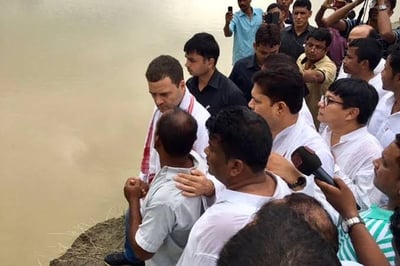
Tragedy unfolded across the northeastern state of Assam on 28 July 2026 as unrelenting monsoon rains and overflowing rivers submerged vast areas of human settlement. Official reports confirmed that at least 68 people lost their lives while over 524000 residents across 5 major districts remained severely impacted. Torrential floodwaters swept into more than 600 villages, swamping over 37139 hectares of agricultural crops and affecting more than 256000 domestic animals. Displaced families in heavily affected districts such as Charaideo, Sivasagar, Golaghat, Jorhat, and Nagaon were forced to abandon their flooded homes to seek temporary shelter inside 354 operational relief camps set up by government agencies and local volunteer organizations.
Reaching out to the affected populations on 28 July 2026, Congress President Mallikarjun Kharge and Leader of Opposition in Lok Sabha Rahul Gandhi expressed heartfelt solidarity with grieving citizens. Expressing profound distress over the heavy loss of lives, homes, and livestock, Mallikarjun Kharge appealed directly to both the Central and Assam state administrations to deploy all available machinery for emergency rescue and relief. He insisted that substantial financial assistance must be released immediately from the PM CARES Fund to support displaced households. Furthermore, he stressed that adequate monetary compensation must be guaranteed for every family that lost a loved one, a home, or a source of agricultural livelihood during this intense natural disaster.
Focusing on the long term impact of recurring disasters, Rahul Gandhi called for an immediate shift from temporary relief measures toward a lasting structural solution. He noted that every year, sudden surges in river water levels bring immense suffering, destroy personal property, and ruin local economies across Assam. Rahul Gandhi stated that the nation must establish a modern, sustainable system built around scientific principles. This recommended strategy prioritizes advanced early warning technology, strong climate resilient river embankments, restoration of natural wetland drainage zones, and rapid rehabilitation systems so that rural families do not face the same painful destruction every single year.
Raising critical questions regarding regional flood management, Mallikarjun Kharge pointed out that despite 10 years of double engine governance in the state since early commitments were made in 2016 to make Assam flood free, permanent solutions remain unfulfilled. He questioned why promises of comprehensive erosion control and river basin management have not translated into concrete protection for vulnerable citizens. The ongoing gap between official promises and ground realities highlights long standing vulnerabilities in regional river embankment infrastructure. While high water levels gradually recede in some areas, thousands of families continue to cope with contaminated drinking water, destroyed roads, severed power connections, and ruined crops, proving that temporary relief measures alone cannot break the cycle of annual devastation.
On the ground, rescue teams including the National Disaster Response Force, State Disaster Response Force, Indian Army, and local police continue navigating flooded terrain to transport food, clean drinking water, and essential medicines into isolated pockets. In Charaideo alone, where nearly 190000 residents remain affected, specialized volunteer groups are working continuously alongside district officials. Simultaneously, Union Minister Sarbananda Sonowal visited multiple relief camps in Sivasagar to review food supplies, medical care, and safe drinking water availability, reassuring citizens that central and state departments are coordinating efforts. A high level inter ministerial team has also arrived in Assam to assess structural damages and coordinate post flood rehabilitation works.
While immediate supply distribution offers crucial comfort during severe moments of human distress, long term safety for Assam demands permanent engineering policies. Combining modern river basin engineering, restored natural water retention bodies, transparent relief funding, and non partisan national cooperation will ensure that vulnerable rural communities receive the permanent protection they desperately need against future monsoon flood surges.