
Jantar Mantar Challenge 15000 Kg Garbage Everyday Creates Massive Sanitation Crisis In Delhi
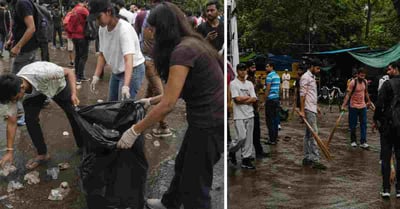
At the historic protest ground of Jantar Mantar in New Delhi, an overwhelming environmental crisis unfolded alongside intense social demonstrations on 25 July 2026. As over 5000 citizens, student activists, and public supporters gathered daily along Parliament Street and Tolstoy Marg, the volume of discarded waste spiraled from a routine 500 kg per day to a staggering 15000 kg every 24 hours. By 25 July 2026, official sanitation records confirmed that municipal workers had cleared an extraordinary 27000 kg of mixed solid waste from the central protest zone in a single day. Streets that normally accommodated peaceful vehicular movement became covered under piles of plastic water bottles, single use paper plates, discarded food containers, and synthetic packaging. A persistent foul odor hung over the crowded avenues, creating severe public health risks for thousands of demonstrators sleeping in the open air.
The rapid escalation of garbage presented an unprecedented logistical hurdle for the New Delhi Municipal Council. Under standard operating conditions, municipal teams cleared around 500 kg to 600 kg of waste from Tolstoy Marg, Sansad Marg, and Jantar Mantar Road combined. However, the sudden influx of daily demonstrators overwhelmed existing infrastructure, forcing civic authorities to revise their sanitation strategy entirely. Officials deployed dozens of extra sanitation workers across 3 intensive shifts. The morning cleanup involved 50 sanitation workers, followed by 15 workers in the afternoon shift and 20 workers during night operations. To combat the mounting refuse, the civic body deployed 4 large garbage trucks, 10 auto tippers, and 6 battery operated eco friendly litter pickers known as gobblers. Vacuum sweeping devices, heavy duty fogging machines, and liquid disinfectant sprays were continuously utilized to sanitize surrounding footpaths and minimize bacterial risks.
Despite round the clock efforts by municipal teams, major garbage clearance delays occurred earlier in the week due to security restrictions. Massive heaps of decaying waste accumulated near abandoned structures opposite Kerala House because municipal crews lacked security clearances to enter restricted protest zones. Protesters voiced frustration over neglected waste heaps, while civic officials clarified that district police authorities had temporarily restricted garbage trucks from entering crowded lanes. Once emergency clearance was granted by police command on 24 July 2026, municipal heavy machinery, including civil engineering tippers, moved in to remove 3 truckloads of construction debris, heavy stones, and dense organic waste. This administrative friction revealed how security protocols can inadvertently compromise public hygiene during major civil gatherings.
The worsening environmental conditions inside the protest zone triggered health complications among demonstrators and nearby residents. Volunteer medical teams working with non profit groups like the Five River Heart organization reported treating dozens of protesters for sore throats, severe headaches, viral upper respiratory infections, hypertension, and acute dehydration. Medical doctors at the site noted that open air living conditions combined with overcrowding and respiratory irritants from rotting waste accelerated the spread of airborne infections. In response to the growing health concern, private humanitarian foundations stepped forward to assist. The Sachkhand Foundation installed 4 portable toilet units near Tolstoy Road, providing 3 dedicated cubicles for women to improve basic hygiene standards across the site.
In a remarkable display of civic responsibility, many young student demonstrators took personal initiative to clean the streets themselves. Protesters like 26 year old Amaldeep Singh from Malout Punjab and 25 year old UPSC aspirant Priya swept footpaths and gathered plastic bottles into recycling sacks alongside municipal workers. Their voluntary service helped prevent complete blockade of pedestrian pathways while sending a constructive message regarding public cleanliness. Simultaneously, informal scrap collectors like 13 year old Janisar and his uncle Nasim frequented the protest venue daily, gathering hundreds of discarded plastic bottles to sell to local scrap dealers on Minty Road, earning up to 900 Rupees per day while inadvertently providing vital recycling support to the overcrowded urban space.
The intense sanitation struggle at Jantar Mantar underscores the urgent necessity for standardized, flexible waste management protocols during large scale public demonstrations in urban centers. When thousands of people occupy public spaces for extended periods, civic infrastructure requires immediate synchronization between police security forces, municipal sanitation crews, and health authorities. Relying solely on reactive emergency cleanups creates dangerous health hazards and puts extreme pressure on manual labor forces. The combined efforts of municipal workers, informal scrap collectors, and student volunteers ultimately managed to restore basic cleanliness to the capital landmark, proving that community cooperation and rapid administrative response are essential when managing urban environmental emergencies.