
Japan Shuts Door On Indian Mangoes After Two Decades As Angry Exporters Cry Foul Over Market Monopoly
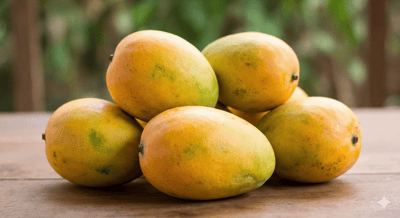
The sweet taste of Indian mangoes has turned bitter this season as Japan officially halted fresh imports exactly twenty years after lifting a previous historical ban. The dramatic halt came after Japanese quarantine inspectors from the Yokohama Plant Protection Association flagged operational deficiencies during an on-site visit to Indian treatment facilities. According to international trade guidelines, fresh mangoes entering Japan must undergo a strict non-chemical process known as Vapour Heat Treatment to eliminate any risk of fruit fly larvae. With the Japanese authorities declaring that any shipment carrying inspection certificates issued on or after late March will be rejected, hundreds of tons of premium varieties like Alphonso and Kesar are suddenly blocked from entering Tokyo markets, causing massive anxiety across the agricultural sector.
While government bodies are rushing to initiate diplomatic dialogues to resolve these technical issues, the suspension has exposed deep structural fault lines within India's domestic export ecosystem. Small-scale traders and merchant networks are using this crisis to raise serious alarms over an artificial bottleneck in the supply chain. They argue that because Japan mandates exceptionally high-tech and heavily supervised treatment protocols, only a tiny number of state-approved facilities are allowed to process the fruit. Local exporters allege that a handful of dominant, large-scale corporate export houses hold a tight grip over these essential facilities. This control effectively creates a closed marketplace where smaller, independent traders are pushed out due to exorbitant compliance costs and restricted access to treatment slots during the critical, short-lived peak window of the harvest season.
Looking closely at the mechanics of this trade dispute, the infrastructure breakdown reveals that the issue is less about international politics and more about internal mismanagement and inequality. The absolute reliance on a few centralized treatment plants means that when a single facility fails an inspection, an entire region's export pipeline collapses. Large conglomerates can easily absorb these shocks by shifting their logistics to alternative routes or capital-heavy options, but small-scale farmers and independent merchants are left completely vulnerable. The current setup inadvertently protects bigger players while penalizing smaller entrepreneurs who lack the financial muscle to establish their own certified treatment lines. This structural gap highlights a critical flaw in how agricultural export policies are implemented, proving that technical compliance often turns into a tool for market domination if the underlying infrastructure is not democratically distributed.
From a broader financial perspective, the commercial impact of the Japanese ban is somewhat isolated but serves as a major wake-up call for the industry. Japan is undoubtedly a premium, high-value market that pays top dollar for luxury fruit, yet it represents only a small fraction of India's multi-million dollar global mango trade. The true damage is psychological and systemic, threatening the global reputation of Indian agricultural standards at a time when shipping costs to Europe and the West are already skyrocketing due to international geopolitical tensions. To secure the future of agricultural trade, India must move toward decentralizing its high-tech testing and treatment centers. By introducing government-backed, accessible infrastructure and establishing strict transparency laws for facility booking, the nation can eliminate corporate control, protect the livelihoods of small merchant networks, and ensure that Indian mangoes can confidently pass global quality checks without domestic friction.