
No Food No Water The Rise Of The Unstoppable Iron Soldier Changing The Front Line Forever
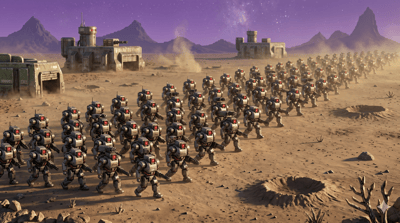
The reality of modern warfare is shifting away from traditional troops toward an era dominated by automated machinery. The intense pressure of ongoing defense needs has forced a rapid pivot toward technology that does not require sustenance, sleep, or rest. These iron soldiers, ranging from low profile tracked vehicles to heavily armed robotic platforms, are stepping directly into areas where human survival is measured in minutes. By taking over the final, highly lethal stretches of the front line, these mechanical fleets are fundamentally changing how territory is held and defended.
A striking example of this evolution took place during a successful military operation where a fortified defensive position was captured using exclusively unmanned systems. Not a single human soldier entered the immediate danger zone during the initial assault, representing a historic milestone in autonomous combat. This strategic transformation is supported by a massive domestic manufacturing push. The national defense innovation ecosystem now features nearly three hundred private companies producing over five hundred distinct models of ground robots. With production targets heading toward fifty thousand units, the goal is to shift the vast majority of hazardous frontline logistics onto autonomous wheels and tracks, effectively removing vulnerable personnel from the most exposed supply runs.
While the deployment of thousands of machines provides a significant tactical advantage, it also introduces complex operational vulnerabilities that prevent them from completely replacing traditional infantry. Ground robots face severe terrain challenges, as thick mud, dense tree lines, and collapsed buildings can easily trap a wheeled platform or sever its vital communication links. Unlike aerial systems, ground units must constantly navigate physical obstacles while resisting intense enemy electronic jamming. To counter this, newer models are incorporating advanced machine learning and computer vision to navigate and identify targets independently. However, a machine still lacks the adaptable problem solving skills of a human mind when a battle scenario changes unexpectedly. Relying too heavily on hardware can lead to catastrophic losses if a single technical glitch or a well placed countermeasure disables an entire mechanical squad.
In looking at the bigger picture, this rapid push toward a mechanized defense acts as a double edged sword. On one hand, it serves as a highly effective shield, with field reports indicating that shifting dangerous supply and casualty evacuation tasks to robots has successfully reduced frontline human casualties by nearly thirty percent. It allows a smaller force to effectively multiply its presence and stand strong against a much larger opponent. On the other hand, it accelerates a global race toward fully autonomous lethal weapons, raising deep ethical questions about the future of warfare when machines are granted the power to make life or death decisions. For now, these unmanned ground systems are not a magical cure for broader structural challenges, but they have proven to be an indispensable shield that preserves human life by letting metal take the hits instead of flesh and blood.