
Kulgam Terror Attack Claimed 2 Lives After Non Local Labourer Dies In Hospital
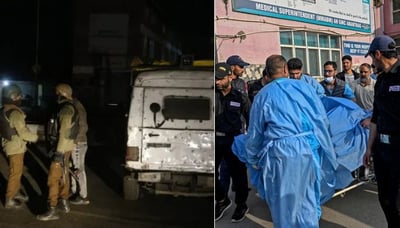
Human tragedy struck the quiet village of Kelam in south Kashmir's Kulgam district when targeted bullet shots shattered the evening calm on July 31, 2026. 2 young migrant labourers from Chhattisgarh, who had travelled hundreds of kilometres away from home to earn a honest living at a local brick kiln, were brutally targeted by armed militants at point blank range. 1 worker named Deepak Ratray, aged 24, tragically died on the spot before medical assistance could reach him. His co worker, Bhupinder, received severe gunshot wounds to his chest and was immediately evacuated to Government Medical College in Anantnag. Doctors performed urgent emergency surgery before transferring him to SKIMS hospital in Srinagar for specialized treatment. Despite intense efforts by medical teams through the night, Bhupinder succumbed to his bullet injuries on August 1, 2026, raising the total death toll of this devastating attack to 2.
For thousands of migrant workers who journey to the Kashmir valley every year, brick kilns, construction sites, and seasonal agricultural fields offer a critical lifeline to support their impoverished families back home. Both victims were in their 20s and belonged to humble households in Chhattisgarh. They spent grueling long hours working under harsh physical conditions to earn basic daily wages. The sudden loss of these 2 young breadwinners has left their families in shock and grief. Following the tragic news on August 1, 2026, Jammu and Kashmir Chief Minister Omar Abdullah announced an ex gratia financial assistance of 10 lakh rupees each for the families of the 2 deceased workers to support them during this time.
The incident has triggered widespread condemnation across political and social spectrums in the Union Territory. Jammu and Kashmir Lieutenant Governor Manoj Sinha strongly condemned the cowardly action against innocent workers and directed senior police and military officials to step up counter terrorism operations to track down and eliminate the perpetrators. Local political leaders also voiced heavy concern, emphasizing that targeting helpless daily wage earners who travel vast distances merely to feed their families is a grave humanitarian crime. Immediately after the shooting on July 31, 2026, joint teams of the Indian Army, Central Reserve Police Force, and Jammu and Kashmir Police cordoned off Kelam and surrounding areas in Kulgam. Intense door to door search operations, aerial surveillance, and security checkpoints have been established to apprehend the suspects who fled into the darkness after firing.
This attack marks a distressing shift as it represents the 1st targeted assault on non local labourers in the Valley after a gap of nearly 21 months, following similar violence in late 2024. Over the last 6 years, more than 25 non local workers have lost their lives in targeted incidents across various districts of Jammu and Kashmir. The timing of this strike holds significant operational weight because it took place while the annual Amarnath Yatra pilgrimage was actively underway across the state. Security experts note that attacks on vulnerable, unarmed migrant workers are designed by militant outfits to create a atmosphere of fear, disrupt local economic stability, and undermine administrative assurances of normalcy. Protecting hundreds of thousands of scattered migrant labourers who live in exposed conditions poses a complex operational challenge for security forces, requiring proactive intelligence networks and community level safety measures.
The tragic loss of 2 young lives highlights the human cost paid by innocent individuals caught in regional conflict dynamics. As security agencies tighten their grip around Kulgam and neighboring districts to catch the attackers, there is an urgent need to ensure robust protective measures for migrant workers across all vulnerable sectors. Strengthening physical security around brick kilns, establishing localized emergency response units, and maintaining close coordination between local employers and police stations will be vital steps toward preventing such tragedies in the future and reassuring thousands of workers who depend on the Valley for their daily livelihood.