
Pappu Yadav Police Complaint Filed In Delhi Over Ram Mandir Donation Theft Skit In Parliament Complex
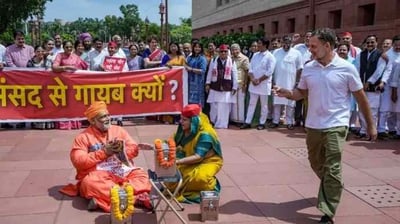
A major political storm has erupted in the national capital following a dramatic street play staged inside the Parliament complex over allegations of donation theft at the Ayodhya Ram Temple. On July 31, 2026, Independent Member of Parliament from Purnia, Rajesh Ranjan, popularly known as Pappu Yadav, led an unconventional demonstration at the Makar Dwar steps of Parliament House. Dressed in traditional saffron robes and portraying a temple priest, the lawmaker held a donation box alongside a photograph of Lord Ram Lalla. Several leaders from the INDIA opposition bloc joined the symbolic performance, where prominent figures deposited money into the collection container, only for the priest character to pocket the funds directly. The enactment was meant to highlight what the opposition claims is a massive financial scam involving temple offerings, accompanied by loud slogans demanding accountability from top central leaders.
The high drama quickly escalated from a legislative protest to a serious law enforcement matter. On August 1, 2026, a criminal police complaint was official lodged against Pappu Yadav at the Jehangirpuri Police Station in North West Delhi. The legal petition, filed by complainant Surya Maithil, alleges that the lawmaker intentionally insulted sacred religious symbols and deeply hurt the sentiments of millions of Sanatani believers across the country. The complaint highlights specific actions during the skit, claiming that religious attire and sacred images were handled disrespectfully during the political performance. Legal action has been formally requested against the Purnia representative along with other opposition leaders who participated in or supported the demonstration, calling on senior police officials and the Ministry of Home Affairs to initiate an immediate investigation.
The controversy has sparked a fierce national debate regarding the boundaries of political protests within sacred democratic spaces. Inside the House, Lok Sabha Speaker Om Birla issued a stern warning regarding parliamentary decorum, emphasizing that members must not wear specialized costumes or engage in theatrical acts inside the complex. Leaders from the ruling party launched a sharp attack, accusing the opposition of abusing holy traditions, insulting sants, and defaming Hindu faith for electoral gains. Conversely, opposition members defended the street theater as a legitimate, creative democratic tool necessary to draw national attention toward serious financial irregularities in public trusts. The incident underscores a growing reliance on dramatic visual spectacle over traditional parliamentary debate, raising serious questions about whether theatrical stunts elevate genuine accountability or merely deepen political polarization.
Looking at the broader picture, this clash reflects the intensifying political atmosphere ahead of key upcoming state elections. By choosing such a sensitive visual theme, the opposition aimed to strike directly at a core cultural milestone associated with the ruling party. However, the immediate backlash and police complaint demonstrate the high risks involved when political campaigns touch upon deeply revered religious sentiments. As law enforcement evaluates the merits of the filed complaint, the episode leaves the public weighing the line between parliamentary freedom of expression and the protection of religious reverence. The controversy remains far from over, as both sides prepare to leverage the fallout in the ongoing political arena.