
Lula Wins 4th Presidential Term as Brazil Defeats Far Right Movement and Overcomes Global Social Media Influence
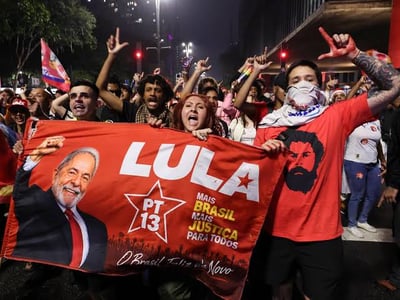
Luiz Inacio Lula da Silva has achieved a historic victory by winning a record 4th presidential term in Brazil, leading a massive progressive coalition that stopped the return of the far right to power. The election outcome marks a dramatic moment in modern Latin American politics, as millions of voters turned out to defend their democratic rights, protect government spending on welfare programs, and reject outside political pressure from figures like Donald Trump and global technology giant Meta. When official election results confirmed that the veteran leader had crossed the winning line, massive street celebrations erupted across major cities from Sao Paulo to Rio de Janeiro, with working families and student groups filling public squares to celebrate an outcome they described as a victory for the survival of their country.
The decisive force that carried the veteran leader back to office was a huge mobilization of young Brazilians who feared what another far right administration would mean for their daily lives. Over recent months, the prospect of former president Jair Bolsonaro regaining control of the country caused deep anxiety among university students, young job seekers, and environmental activists. Memories of budget cuts, threats to classroom independence, attacks on science, and attempts to sell off public property pushed millions of youths to organize weekly rallies in almost every major city. These young citizens carried homemade banners, sang union songs, and held discussions in local neighborhoods to convince undecided voters that free universities, dependable public transport, and free medical care could only survive if the far right was kept out of power.
The election campaign turned into an intense struggle against large scale digital propaganda, as right wing political groups used social media networks to spread misleading claims and provoke cultural panic. Activists working on the ground pointed out that foreign political figures like Donald Trump openly praised the far right movement in Brazil, while algorithms on social media platforms owned by Meta helped push aggressive political advertisements and unverified stories. Despite the flood of digital rumors and online attacks, grassroots campaign teams focused on real human conversations. Trade unions, teachers, community leaders, and local volunteers knocked on doors in working class housing areas, showing families how government welfare payments and cheap city transport directly kept food on their tables.
The focus on public health and hospital care played an enormous role in shaping the final voting choices of ordinary citizens. Millions of families remembered the tragic days of the health crisis under the previous conservative presidency, when official leadership questioned scientific advice, delayed vaccine shipments, and mocked public safety measures. Brazil lost hundreds of thousands of lives during that painful period, and the public health system was pushed to the brink of collapse. During the campaign rallies, healthcare workers marched alongside patient groups, reminding voters that Lula had expanded neighborhood clinics, increased medical salaries, and protected the national healthcare system from privatization.
Another major reason for the strong voter support was the protection of public education and transport services. In a country with sharp economic inequality, state run schools and low cost bus lines are the only ways poor families can climb out of hardship. When conservative politicians threatened to reduce educational spending and eliminate subsidies for public transit, student unions launched sustained strikes and campus demonstrations. They rallied under the slogan that learning and transport are basic human rights, not commodities meant for private business profit. By promising to increase funding for public universities, expand technical colleges, and protect affordable city transport, the Workers Party built an unbreakable bond with working class youth.
The victory also carries profound consequences for the global environment and indigenous communities. The vast Amazon rainforest, often called the lungs of the earth, had suffered extreme deforestation and illegal mining when the far right was in office. Indigenous leaders had faced constant threats to their ancestral territories from commercial land grabbers and logging companies. Under Lula, enforcement agencies returned to the forest, illegal operations were shut down, and deforestation rates dropped sharply. Indigenous organizations joined the election campaign with full energy, warning that allowing the far right back into power would sign a death warrant for the Amazon and speed up worldwide climate disasters.
The defeat of the far right in the largest economy in South America sends a powerful message far beyond national borders. In several parts of the world, populist right wing leaders have gained ground by dividing communities, attacking free speech, and dismantling worker protections. By defeating a well funded far right movement supported by powerful international figures, Brazilian voters proved that organized community movements and working class solidarity can beat digital disinformation and corporate money. Political analysts across Latin America noted that the result will strengthen democratic cooperation across the region and provide a strong shield against authoritarian tendencies.
Addressing thousands of supporters wearing red shirts and waving national flags, the newly re elected leader thanked the millions of ordinary citizens who stood firm under difficult economic times. He emphasized that his 4th term belongs to the poor, the working people, and the young dreamers who refused to let their democratic institutions be dismantled. However, the road ahead remains full of steep obstacles. The newly elected president faces a divided national congress, persistent inflation pressures, and an aggressive opposition that has built deep roots across southern farming regions.
To turn his campaign promises into reality, the administration will need to rebuild damaged public ministries, strengthen workers rights, and keep city transport and hospitals well funded. The millions of young people who took over streets and squares have shown that they are not just passive voters, but active participants who will hold their leaders accountable. For now, the people of Brazil celebrate a peaceful democratic victory, having shown the entire world that collective human courage can overcome digital propaganda, protect vital public services, and preserve the future of a free nation.