
Madras High Court Urgent Hearing On Udhayanidhi Stalin Anticipatory Bail Plea Sparks Political Drama
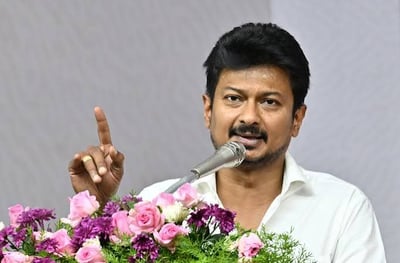
A tense political drama unfolded across Tamil Nadu when law enforcement officers arrived at the Neelankarai residence of Leader of Opposition Udhayanidhi Stalin in Chennai. A joint team of police officers from Thanjavur and Neelankarai detained the senior politician in connection with multiple complaints registered over a public speech he delivered during a high-profile protest rally in Thanjavur regarding the Cauvery water dispute. Addressing thousands of supporters, the opposition leader criticized Chief Minister C. Joseph Vijay over regional water rights. During his address, sections of the audience began chanting slogans referencing popular actress Trisha Krishnan, prompting a double-meaning response from the stage.
Opposing political parties quickly claimed the remark was offensive and demeaning toward the actress, leading to an official police complaint filed under seven legal provisions—including the Bharatiya Nyaya Sanhita, the Information Technology Act, and the Tamil Nadu Prohibition of Harassment of Women Act. The ruling Tamizhaga Vettri Kazhagam (TVK) also approached the National Commission for Women seeking an unconditional public apology. As news of the detention spread, hundreds of Dravida Munnetra Kazhagam (DMK) party supporters gathered on the streets, raising intense slogans, staging road blockades, and creating a highly charged atmosphere across several districts.
Reacting swiftly to the unexpected detention, the legal team representing the opposition leader rushed to the Madras High Court to seek immediate judicial intervention. Senior advocate Hasan Mohamed Jinnah made a special mention before Justice G.K. Ilanthiraiyan, requesting an urgent lunch motion hearing. The defense counsel argued that political opponents were spreading a distorted narrative using selectively edited video clips to damage the leader's reputation just ahead of the legislative assembly budget session. Fearing prolonged custody, the legal team urged the court to grant advance bail and direct the police to refrain from taking harsh measures until the court reviewed the matter. Recognizing the urgency and political sensitivity of the situation, Justice G.K. Ilanthiraiyan accepted the request and agreed to hear the emergency petition during the afternoon session.
When the court convened for the afternoon hearing, Advocate General Vijay Narayan presented the official stance of the state government. The prosecution confirmed that police had taken the leader into custody and were transporting him to Thanjavur for official interrogation. Crucially, the government informed the bench that investigators had no intention of seeking judicial remand or keeping the politician in jail. The Advocate General assured the court that the leader would be released on police station bail as soon as the inquiry was completed. Recording these legal submissions, Justice G.K. Ilanthiraiyan formally directed law enforcement to grant station bail on the same day after finishing the interrogation, while ordering the opposition leader to extend full cooperation to the ongoing investigation.
The swift resolution in the courtroom provided temporary relief to party cadres while triggering intense political debates across the state. DMK leaders termed the police action an act of political intimidation designed to distract the public from pressing state issues like water rights and agricultural distress. Conversely, representatives from the ruling TVK and leaders from the National Commission for Women argued that public figures must maintain decorum and respect when addressing public gatherings. By directing police to grant station bail on the very day of detention, the High Court ensured that law enforcement could conduct its investigation without unnecessarily infringing upon personal liberty, highlighting how rapidly legal and political battles move in modern governance.