
Modi Govt And Chief Election Commissioner Gyanesh Kumar Face Fierce Vote Chor Slogans As Citizens Wave National Flag At Connaught Place Protest
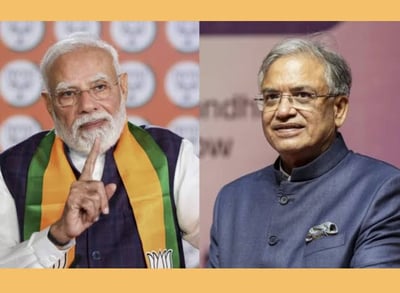
Central Delhi turned into a fortress of security barricades, police vans, and roaring public slogans as hundreds of common citizens gathered for the Lehra Do Tiranga demonstration in Connaught Place. Carrying the national flag high above their heads, students, teachers, daily wage earners, and young professionals came out to express deep frustration over the shrinking space for peaceful democratic dissent in the country. The protest was called following the controversial jailing of youth activists who were detained simply for holding the tricolour at Jantar Mantar. Despite heavy police deployments and the sudden administrative shutdown of Central Park, ordinary people refused to turn back, using their voices to question the moral authority of those running the nation.
The demonstration was marked by fierce slogans targeting the Modi government, with crowds openly shouting vote chor across the commercial corridors of the capital. Protesters accused the ruling establishment of systematically weakening democratic foundations and manipulating electoral rolls to cling onto political power. Young demonstrators argued that when the state uses police force to suppress voting rights inquiries and blocks citizens from peacefully displaying their own national flag, it exposes an administration terrified of public scrutiny. Many participants noted that the right to elect leaders through clean, fair, and untampered ballots is the bedrock of the republic, warning that no government can hide behind nationalist slogans while stealing the voice of its people.
The anger of the demonstrators was directed with equal sharpness against Chief Election Commissioner Gyanesh Kumar. Protesters in the crowd repeatedly demanded his immediate resignation, pointing to mounting complaints regarding electoral roll revisions, arbitrary deletions of genuine voters, and a perceived lack of independence in the functioning of the poll body. A young protester who had traveled to Delhi from Gujarat shared that he left his municipal job specifically to take part in the struggle for free elections, stating that he was prepared to remain on the streets until Gyanesh Kumar steps down from his constitutional post. Protesters maintained that the election body has turned into an arm of the executive, losing the confidence of ordinary citizens who demand absolute neutrality from those overseeing public ballots.
The gathering brought forward powerful personal accounts from ordinary people whose daily lives have been hit hard by unemployment, economic distress, and policy failures. An auto-rickshaw driver watching the demonstration from the roadside pointed out the hypocrisy of political speeches that promise grand visions for distant decades while common workers struggle to buy food for their children today. He highlighted skyrocketing fuel prices, forced ethanol mixing, and pothole-ridden city streets, asking why the administration responds with police batons whenever struggling working-class families demand basic dignity and economic relief.
Educators, teachers, and senior citizens also walked into the protest area to stand in solidarity with the young demonstrators. A school educator named Hemlata noted that the youth standing on the streets are not easily misled by emotional political drama or divisive speeches, but are educated young minds deeply worried about joblessness and widespread poverty. She stated that young citizens value logic, reason, and transparency, and that the state cannot substitute employment creation by asking educated graduates to make social media reels. Observers noted that the massive turnout of everyday people demonstrated that unease over authoritarian governance has crossed far beyond student campuses into regular households.
The heavy deployment of security forces in and around Connaught Place drew widespread criticism from civil rights defenders. With thousands of armed police personnel stationed at subway gates, road intersections, and park entrances, several citizens questioned why a government that claims total popular support requires such massive police strength just to stop citizens from waving the national flag. Protesters asked pointedly where this swift and massive police force was when conflict-torn border states and violence-hit regions were burning and crying out for basic security intervention.
While some local merchant associations raised concerns about business disruptions in the commercial market during the festive shopping week, protesters and civil society supporters responded that the struggle for democratic survival outweighs short-term shopping convenience. Demonstrators pointed out that established businesses can recover from temporary closures, but if the young generation loses faith in free elections and the rule of law, the future of the entire republic collapses. Young participants reminded bystanders that freedom fighters like Bhagat Singh gave up their lives at a tender age so that future Indians could live as free citizens rather than silenced subjects.
The protest concluded with dozens of peaceful participants, student organizers, and activists being detained and bundled into police buses by security personnel. However, the mood among the public remained defiant, with participants singing patriotic songs from inside police vehicles and promising that physical detention would not silence their questions. As legal battles continue in the courts and public anger simmers across university corridors, the voices from Connaught Place delivered an uncompromising message to the authorities: power belongs to the citizens, and neither police batons nor administrative bans can stop people from demanding free elections and waving the tricolour for genuine democracy.