
Nepal Exports Electricity Worth 39 Million Dollars to India Following Quick Recovery From Severe Flash Floods
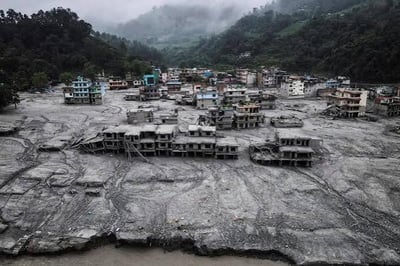
Nepal has completed a strong economic rebound by exporting electricity worth thirty-nine million dollars to neighboring India, showing remarkable resilience just a month after massive flash floods damaged energy plants across Himalayan river valleys. Official financial figures released by the Nepal Electricity Authority confirmed that cross border energy deliveries returned to full speed, generating over five billion nine hundred million Nepali rupees in cross border trade. The successful power transfer marks a vital economic relief for the mountain nation, proving that local engineering teams managed to restore crucial power links much faster than energy observers originally expected.
The rapid turnaround was confirmed by Dirghayu Kumar Shrestha, the executive director of the national power authority, who explained that electricity deliveries made a swift recovery after being briefly halted by extreme weather disasters in August. Speaking on the operational figures, the director pointed out that nearly two-thirds of the cross border electricity supply sent to India was delivered through formal bilateral agreements between the two friendly governments. The rest of the electricity was traded directly on the competitive Indian day ahead energy exchange market, where surplus hydropower from clean mountain streams found ready buyers in power hungry industrial states.
The achievement stands out because the natural disasters that hit the region just weeks earlier were among the most destructive in recent memory. Heavy rains and massive ice rock slides along high altitude river basins triggered sudden flash floods that washed away mountain roads, damaged bridges, and threw thick mud into turbine chambers. Key power plants, including facilities along the Bhotekoshi and Trishuli rivers, were forced to halt production immediately after floodwaters submerged control rooms and damaged heavy transmission cables. The damage was so widespread that engineers feared export commitments would remain frozen for months.
Despite the heavy destruction on the ground, technical teams from the power utility and private developers worked around the clock to clean out silt, repair damaged river intakes, and restore electrical substations. Working with local transport units, engineers rebuilt washed out access tracks and replaced broken transmission towers across difficult mountain hillsides. Their rapid repair work allowed several major hydropower stations to reconnect to the national grid in record time, capturing the high monsoon water flows before dry winter weather could lower river levels.
The restoration of steady power production has also allowed the country to revive its regional energy ambitions beyond India. Power authorities confirmed that forty megawatts of electricity exports to Bangladesh were successfully resumed through the shared Indian transmission network. That trilateral energy arrangement had been completely cut off when flood damage knocked out the designated Trishuli and Chilime hydropower stations. By bringing those units back online and clearing transmission pathways through Indian substations, the mountain nation restored its historic green power trade with Bangladesh, strengthening regional economic cooperation across South Asia.
Cross border electricity sales have become one of the most reliable sources of foreign currency for the Himalayan nation. During the summer and monsoon seasons, fast flowing rivers fed by melting snow and monsoon showers produce far more electricity than domestic consumers and local factories can use. Selling that seasonal surplus to India prevents clean renewable energy from going to waste while earning vital funds that help pay for imported goods and reduce international trade deficits. The thirty-nine million dollar earning provides crucial support to foreign exchange reserves that were heavily strained by emergency flood rescue and rebuilding operations.
Regional energy analysts view the fast recovery as an important demonstration of how cross border power connectivity can survive extreme climate shocks. Both nations have spent recent years investing in high capacity cross border transmission lines, allowing electricity to flow smoothly between grids with minimal transmission loss. Energy experts note that having access to the large Indian energy market gives hydropower developers in Nepal the financial confidence to build larger dams and river projects, knowing that excess power will find ready commercial buyers across the southern border.
The successful export numbers highlight the growing importance of clean Himalayan hydropower in South Asia's shift toward renewable energy. As coal reliant industrial zones in northern India look to lower carbon emissions, purchasing run of the river hydropower from the mountains provides affordable and clean electricity during peak daytime hours. For the working engineers and local communities in Nepal, delivering millions of units of power across the border just weeks after surviving devastating floods stands as proof of hard work, engineering dedication, and strong regional trade partnerships.