
Nepal seeks India's approval for biometric national identity card as travel document on 26 July 2026
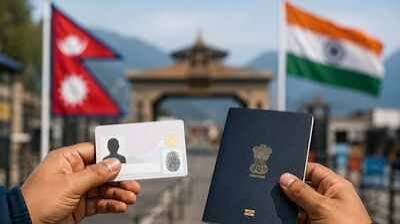
In a significant diplomatic move aimed at modernizing cross-border movement, the government of Nepal formally submitted a proposal to India on 26 July 2026 requesting official recognition of its biometric National Identity card as a valid travel document. Through diplomatic channels routed via the Ministry of Foreign Affairs, Nepali authorities communicated their desire to add the high-tech identity card alongside existing options like traditional passports and paper citizenship certificates. Department of Immigration Director General Ram Chandra Tiwari confirmed that official discussions with an Indian Embassy delegation in Kathmandu yielded encouraging feedback, with Indian diplomats forwarding the proposal to New Delhi for final policy approval. If approved by Indian leadership, citizens from Nepal will gain an easy, digital identity verification option while traveling across land borders and flying through international airports between both friendly nations.
Under existing travel frameworks between the 2 neighboring countries, citizens enjoy visa-free movement under long-standing bilateral treaties. However, clear identity verification remains mandatory, especially for air travel. Currently, Nepali nationals flying into Indian airports must present either a valid machine-readable passport or an original citizenship paper certificate. Similarly, Indian citizens traveling to Nepal are required to show a valid passport or an original photo voter identification card. Over recent years, Nepal has actively transitioned toward its digital National Identity card, making it mandatory for essential domestic activities such as opening bank accounts, buying property, obtaining passports, and receiving government welfare services. As the country prepares to gradually phase out traditional citizenship certificates entirely, incorporating the biometric identity card into cross-border transit rules represents a necessary next step for regional mobility.
The technological sophistication of Nepal's National Identity card provides distinct advantages over older paper documents. The digital card stores comprehensive personal data, including digital fingerprint scans, facial photographs, and iris patterns. Originally introduced as a small pilot project in Panchthar district in 2009, the initiative has expanded significantly across the country. More than 4.5 million Nepali citizens have already received their official biometric cards, while nearly 20 million additional applications are currently being processed by administrative centers. Immigration officials highlight that the card offers high security, making document forgery virtually impossible during cross-border security checks. Recognizing this card for transit through land checkpoints and major international hubs would streamline immigration processing for over 150000 frequent travelers who move between both countries every year.
Beyond individual convenience for travelers, the proposal aligns with broader efforts to enhance border security and manage cross-border traffic effectively. Officials from Nepal's Home Ministry confirmed that recent bilateral discussions also focused on establishing shared database logging systems to register cross-border movements systematically. Strategic analysts note that maintaining an open, accessible 1850 kilometer shared border requires high-tech verification tools rather than physical barriers. Utilizing smart biometric screening, artificial intelligence facial recognition, and automated scanning allows both governments to track legitimate cross-border transit while preventing criminal elements or illegal third-country nationals from abusing open border policies.
Taking a broader view of the initiative reveals how digital public infrastructure can strengthen regional integration without disrupting daily commercial ties. While switching to biometric travel passes promises faster transit times at busy border stations, the transition phase presents operational hurdles. Since millions of citizens in rural areas are still waiting to receive their physical identity cards, authorities must ensure that legacy identification methods remain fully valid alongside new digital passes to prevent sudden transit blockages. Furthermore, full success will depend on how quickly Indian border posts and airport immigration counters install compatible biometric reading hardware to process arriving travelers seamlessly.
In summary, Nepal's request to recognize its biometric National Identity card marks a forward-looking step toward modernizing cross-border travel with India. By replacing fragile paper certificates with encrypted biometric data, both nations can build a safer, faster, and more convenient travel ecosystem. As decision-makers in New Delhi review the formal diplomatic proposal, millions of citizens on both sides of the border look forward to smoother journeys and closer economic ties between the 2 neighboring democracies.