
New York Mayor Threatens To Arrest Benjamin Netanyahu Over International War Crime Charges
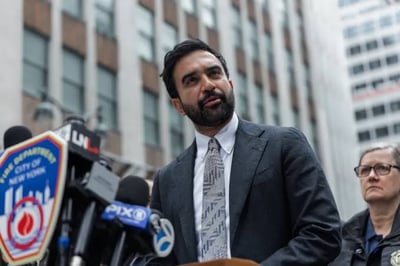
The political landscape of New York City shifted into intense diplomatic friction on 19 July 2026 as the newly elected Mayor Zohran Mamdani publicly declared his administration is actively exploring legal strategies to arrest Israeli Prime Minister Benjamin Netanyahu. Speaking during a high profile media appearance on a prominent national podcast, the city leader explicitly stated that the foreign leader is a war criminal who belongs in the custody of international courts in The Hague. The friction stems from a controversial arrest warrant issued by the International Criminal Court in 2024, which accuses the Israeli leadership of severe humanitarian violations during ongoing operations in the Gaza Strip. The mayor confirmed that he has initiated formal, active conversations with the legal experts at the New York City Law Department to determine exactly what local law enforcement powers can be deployed when the foreign leader arrives for the 81st session of the United Nations General Assembly this upcoming September. The move marks the first time a major American municipal leader has attempted to enforce a global tribunal directive against a sitting head of state on American soil, causing immediate panic among international logistics and security planning committees tasked with organizing the upcoming global summit.
This unexpected statement from the head of the largest municipal police force in the United States immediately triggered sharp reactions from international diplomats and federal officials alike. Israeli Ambassador to the United Nations Danny Danon swiftly issued a strong public statement condemning the local leader, accusing him of prioritizing global headlines over the safety of local communities facing rising domestic tensions across the 5 boroughs. Prime Minister Netanyahu himself dismissed the threats during a widely broadcast radio interview, stating that he remains completely unconcerned about the local legal threats and counter-accused the mayor of aligning with hostile regional factions that oppose democratic values. For everyday residents of the metropolitan area, this high level political dispute adds another layer of anxiety to an already polarized public atmosphere, as large scale protest groups prepare to gather outside the international headquarters in Manhattan. The escalation has also caught the attention of federal lawmakers, with the national administration warning that local police interference could severely damage critical foreign partnerships and disrupt decades of established diplomatic protocols.
Looking closer at the legal realities behind this public dispute, there is a deep contradiction between local political promises and international diplomatic immunity laws. While the local administration wants to signal its strong commitment to international human rights standards, the United States federal government has never ratified the Rome Statute, meaning the country does not recognize the jurisdiction of the International Criminal Court. Furthermore, global leaders traveling to official United Nations events are tightly protected by long standing federal treaties that grant them total immunity from local law enforcement actions while on official diplomatic missions. By using the platform of the mayor's office to challenge these federal boundaries, the current city leadership is navigating a highly dangerous legal path that could spark a major constitutional clash between city hall and federal authorities who manage international state relations. The situation reveals how global conflicts can disrupt local governance, forcing city agencies to handle complex international disputes that are normally reserved for federal cabinets, while municipal law enforcement officers are left caught in the middle of conflicting legal obligations.
To resolve this complex legal standoff before the major international summit begins in September, both local and federal authorities will need to clarify the exact limits of municipal police jurisdiction over foreign dignitaries. Relying on aggressive public rhetoric may satisfy specific local voter bases, but it cannot override established federal frameworks that guarantee safe passage for international delegates. True governance requires a careful balance between expressing deep ethical concerns about international actions and maintaining the practical municipal stability needed to host global summits safely without compromising the daily routines of millions of citizens. Until the formal legal review by the city law department is completed and made public, this intense political standoff will keep the city at the center of a volatile international debate where local police powers clash directly with global diplomacy. The ultimate outcome of this dispute will likely set a lasting precedent for how municipal leaders across the country interact with controversial global figures during official international visits, shaping the future of urban political activism on the world stage.