
Parle Industries Shares Hit Five Percent Upper Circuit After Viral Modi Meloni Melody Candy Gift Moment Creates Massive Stock Market Confusion
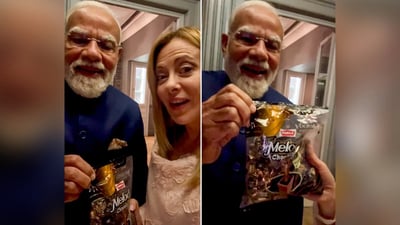
Dalal Street witnessed a classic case of mistaken identity on the trading floor as retail investors aggressively rushed to buy shares of a small cap company named Parle Industries. The sudden buying frenzy was triggered entirely by a light hearted diplomatic gesture miles away in Rome, where Prime Minister Narendra Modi gifted a packet of iconic Melody toffees to Italian Prime Minister Giorgia Meloni. The candid exchange was shared on social media by the Italian leader with a playful note of thanks, instantly breathing new life into the highly popular internet meme trend surrounding the two world leaders. As the video accumulated millions of views across various digital platforms, trading volumes for the namesake stock exploded, causing its share price to instantly jump five percent and hit its daily upper circuit limit of five rupees and twenty five paise.
Looking closer at the mechanics of this sudden market rally reveals a deep disconnect between social media hype and fundamental corporate reality. The primary source of the confusion stems from a fundamental misunderstanding of corporate ownership structures within India's prominent fast moving consumer goods sector. The beloved dual layered chocolate caramel candy is exclusively manufactured by Parle Products, a legendary family owned conglomerate renowned globally for producing household staples like Parle G biscuits. Crucially, Parle Products is a strictly private enterprise that has chosen to remain unlisted on public stock exchanges for nearly a century. On the other side of the ledger, the publicly traded Parle Industries is a completely separate entity that primarily operates in infrastructure development, real estate ventures, and paper waste recycling projects, holding no business linkages to the confectionery company.
This bizarre trading episode underscores the growing, unpredictable influence that internet culture and algorithmic retail sentiment exert over the modern financial landscape. This is certainly not the first time that Indian stock markets have witnessed small cap equity prices swinging wildly due to superficial name associations or viral online trends. When public attention spikes around a specific keyword, modern day traders frequently place rapid speculative bets without performing basic due diligence or assessing actual balance sheets. This reactionary behavior can artificially inflate the market valuation of unrelated micro cap companies, creating temporary asset bubbles that completely ignore real world earnings or corporate revenue streams. While executives at Parle Products celebrated the high profile global exposure, the listed real estate company remained completely silent as its stock traded at heavily inflated volumes.
The broader implications of this market event highlight the inherent vulnerabilities that retail market participants face when trading on raw digital momentum rather than financial fundamentals. Long term performance data indicates that despite this temporary five percent jump, Parle Industries has actually been under severe financial pressure, losing a massive sixty eight percent of its market value over the preceding twelve months. This stark contrast illustrates how a single viral video clip can completely distort short term market mechanics while offering zero insulation against underlying operational challenges. As the internet laughter surrounding the diplomatic gift exchange eventually quiets down, the incident serves as a clear cautionary tale for the financial community. It highlights a retail market environment where a simple case of identical branding can temporarily override basic economic logic, turning a light hearted political moment into a chaotic financial reality.