
PM Modi Appeal To Avoid Foreign Travel Gold Purchases Sparks Debate On Government Failure Like Past Note Ban And Lockdown
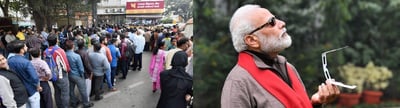
On May 10 2026 Prime Minister Narendra Modi in a public meeting in Hyderabad asked Indians to take several steps to shield the country from global economic uncertainty caused by West Asia tensions. He appealed to avoid non essential foreign travel including vacations and destination weddings for at least one year postpone non essential gold purchases for twelve months reduce edible oil consumption by around ten percent cut chemical fertiliser use by up to fifty percent and revive work from home practices to save fuel. These suggestions aim to reduce pressure on foreign exchange reserves as India imports large quantities of crude oil gold edible oil and fertilisers. Many see this as a responsible call for collective action during tough times.
This approach reminds many of past sudden announcements by the same government. On November 8 2016 at around 8 pm Prime Minister Modi in a surprise address declared that five hundred and one thousand rupee notes would cease to be legal tender from midnight. The note ban aimed to fight black money but caused widespread chaos with long bank queues cash shortages and hardship for common people especially in rural areas. Similarly on March 24 2020 PM Modi announced a nationwide lockdown with very short notice giving citizens just hours to prepare. The move intended to fight COVID-19 led to massive migrant worker crisis loss of livelihoods and economic disruption for millions. Critics now say the latest appeal follows the same pattern of creating fear among consumers which may slow down markets and spending instead of boosting confidence.
Many opposition voices and analysts argue that repeated calls asking people not to buy this or travel there reflect deeper government failure in managing the economy. Instead of strong policies to boost domestic production and reduce import dependence over the years the burden is now shifted to ordinary citizens. Rahul Gandhi and others called these suggestions signs of failure after twelve years in power where the Prime Minister has to tell people what to buy and what not to. They question if creating panic through such appeals will actually help or further dent consumer confidence and market sentiment at a time when global oil prices are rising. Supporters however defend it as practical patriotism similar to past collective efforts that helped the nation.
The current global situation with West Asia conflict pushing up crude prices has increased import costs and put stress on reserves. India imported over two hundred forty billion dollars worth of crude oil gold vegetable oils and fertilisers in the last financial year. While the government provides heavy subsidies on fertilisers and maintains respectable forex reserves around six hundred ninety billion dollars critics point out that long term planning could have reduced such vulnerabilities. Whether these appeals lead to meaningful savings or simply create unnecessary fear in the minds of consumers and investors remains to be seen. Many ordinary families now discuss how practical it is to postpone weddings gold buys or foreign trips while hoping the government also takes stronger steps on production and diplomacy to handle external shocks better. The coming months will test if such public appeals strengthen economic resilience or highlight ongoing challenges in self reliance