
Why PM Modi Asks Public to Save Petrol while Modi and BJP Leaders Use Millions of Liters in Bengal Rallies
The global energy market is facing a major crisis because of the ongoing war in West Asia, which has caused crude oil prices to jump to $126 per barrel. On May 10, 2026, during a speech in Hyderabad, Prime Minister Narendra Modi asked the people of India to make big changes to their daily lives. He suggested that people should work from home, use buses or trains instead of private cars, and stop buying gold for one year. The goal is to save the country’s foreign money and reduce the demand for expensive petrol. While these suggestions might help the economy, they have caused a lot of debate across the country. Many people feel that while the common man is being asked to suffer, the government and political leaders are not changing their own expensive habits.
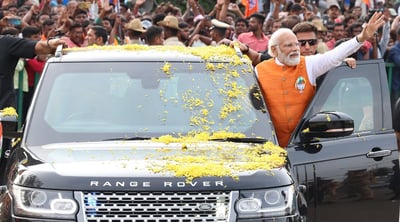
The biggest reason for this anger is the way the West Bengal election campaign was conducted. While the Prime Minister was preparing to ask the public to save every drop of fuel, his own party, the BJP, was running a massive campaign with thousands of vehicles. For a leader to ask the middle class to use a bicycle or carpool while he travels in a convoy of over 100 high-end SUVs creates a clear contradiction. These convoys, along with private jets and helicopters used by top leaders, consume more fuel in a single day than a small town does in a week. This difference in behavior makes it very hard for the average person to take the government’s advice seriously, as it looks like the leaders are exempt from the problems facing the rest of the nation.
To understand how much fuel was actually used, we can look at the scale of the BJP’s movement in West Bengal. For about 45 days, the state saw constant movement from 18 different BJP Chief Ministers and hundreds of national leaders. Every Chief Minister travels with at least 10 to 15 security cars. When you add the hundreds of local leaders who use big SUVs to move around and the thousands of buses used to bring crowds to the rally grounds, the amount of petrol and diesel used is enormous. It is estimated that the campaign used millions of liters of fuel during this time. If the fuel crisis was so serious that the public must stay home, many ask why the political parties did not choose to hold digital or online rallies instead of burning so much expensive petrol.
Detailed Data: Estimated Petrol and Resource Use in Bengal Campaign
The following is a detailed look at the estimated resources used by the BJP during the 45-day election campaign in West Bengal:
Total Campaign Days: 45 Days (March to May 2026).
Prime Minister’s Convoy:
Number of Cars: 100+ vehicles including security, jammers, and local police.
Daily Travel: Often 200 to 400 km moving between different rally sites.
18 BJP Chief Ministers:
Cars per CM: 12 vehicles on average.
Total CM Cars: 216 vehicles running every day across the state.
Local Leaders and Star Campaigners:
Total SUVs: Over 500 SUVs used by local candidates and visiting leaders.
Public Transport: Roughly 2,000 to 3,000 buses used daily across the state to move supporters.
Total Estimated Fuel Consumption:
Because security SUVs and heavy buses have low mileage (about 6 to 8 km per liter), the total fuel used by this massive fleet is estimated between 50,000 and 75,000 liters every single day.
For the full 45 days, the total fuel used by the party machinery is approximately 2.25 million to 3.3 million liters.
This situation shows a major gap between what leaders say and what they do. Asking a family to delay a wedding or a worker to stay home to save the national economy is a huge request. For people to agree to these sacrifices, they need to see their leaders doing the same. When the ruling party continues to spend huge amounts of resources on winning elections while preaching about saving money, it feels like the burden is only for the poor and the middle class. True leadership means setting an example. If the nation needs to save petrol, the change should start with the big convoys and massive political rallies, not just with the common man’s scooter or car.