
Pope Leo Heads to Milei Argentina as Tensions Loom Over Economic Austerity and Iran Diplomacy
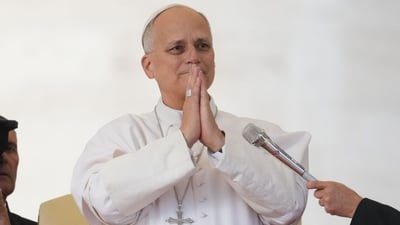
The Vatican has confirmed an upcoming official visit by Pope Leo to Argentina, marking an extraordinary diplomatic encounter with the administration of President Javier Milei. The planned apostolic journey brings the head of the Catholic Church to South America during a period of intense domestic transformation and shifting global alliances. Observers across Latin America are watching the preparations closely, as the pontiff arrives in an environment shaped by fierce social debates over radical economic restructuring, rising poverty levels, and sharp foreign policy disagreements involving Middle Eastern diplomacy.
The dynamic between the Vatican leadership and the Casa Rosada has drawn intense public scrutiny. President Milei rose to power championing an uncompromising libertarian agenda, promising to dismantle state welfare institutions, shut down government departments, and enforce severe fiscal discipline to tame chronic inflation. These aggressive measures have clashed directly with Catholic social teaching, which places human dignity, community solidarity, and institutional protection for vulnerable working families at the center of moral governance.
Welfare advocates and parish priests across the sprawling working-class suburbs of Buenos Aires have reported severe hardship among ordinary citizens following massive cuts to public utilities, transport subsidies, and soup kitchen funding. The Catholic clergy has historically served as a critical support network in underprivileged neighborhoods, often stepping in when state resources retreat. Church leaders on the ground have voiced alarm over worsening living standards, urging the presidential administration to recognize that fiscal balance sheets should not be stabilized at the cost of basic survival for poor households.
Foreign policy positions represent another major source of diplomatic tension between Rome and Buenos Aires. The Milei administration has aligned its international agenda closely with hardline Western security doctrines, taking aggressive public stances on Middle Eastern affairs and sharply criticizing Iran over regional security and historical investigations. In contrast, Vatican diplomacy consistently prioritizes multilateral dialogue, peace mediation, and open communication channels across religious and ideological divides to de-escalate global conflicts.
The presence of the Pope in his home region carries immense symbolic weight for the faithful. Huge crowds of pilgrims from across Argentina, Chile, Uruguay, and Paraguay are preparing to travel to the capital city to attend public masses, prayer vigils, and youth meetings. For millions of devoted Catholics, the papal visit offers spiritual comfort and moral reassurance during a time of daily financial anxiety and social polarization.
Government officials inside the presidential palace are working to balance political messaging with the formal protocol required for a head of state. Aides close to the president have sought to dial down earlier aggressive rhetoric directed at Church authorities, recognizing that a confrontational tone during the papal tour could backfire among conservative and Catholic voters who form a crucial part of the electorate. State protocol teams are coordinating closely with papal security details to ensure smooth logistics throughout the multi-city tour.
The official itinerary is expected to include direct bilateral talks between the pontiff and President Milei, alongside meetings with civil society groups, labor unions, human rights defenders, and charitable organizations. Vatican officials have signaled that while the Pope will maintain diplomatic courtesy, his public homilies will emphasize the universal obligation of political leaders to defend the marginalized, bridge social fractures, and govern with genuine empathy for those carrying the heaviest economic burdens.
Human rights organizations and trade unions are also viewing the visit as an opportunity to highlight their grievances against sweeping labor reforms and deregulation decrees. Several labor groups have planned peaceful gatherings to draw international attention to unemployment and falling real wages, hoping that the global spotlight accompanying the papal delegation will encourage authorities to open formal collective bargaining channels.
The historic visit will serve as a defining test of moral leadership and political maturity for both the Vatican and the Argentine presidency. As public squares and cathedrals prepare to welcome the papal motorcade, the encounter will place two completely contrasting worldviews on display, testing whether spiritual authority and radical political ideology can find common ground in addressing the everyday struggles of ordinary people.