
Saudi Airstrikes on Yemen Village Kill at Least 33 People With Most Casualties Women and Children
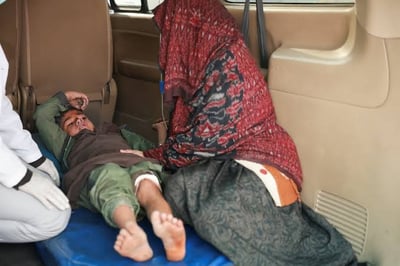
A devastating aerial bombardment has struck a quiet residential settlement in Yemen, leaving at least thirty-three civilians dead in one of the deadliest military strikes reported in the area. Local health authorities and emergency rescue teams operating on the ground confirmed that the vast majority of the deceased were women and young children who were trapped beneath collapsing buildings when missiles hit their neighborhood homes. The attack has triggered deep shock and sorrow across the war-torn country, sparking fresh international calls for accountability and civilian protection.
The airstrikes targeted several residential structures situated within a close-knit rural community. Witnesses described how multiple warplanes circled above the village before dropping heavy ordnance directly onto residential quarters. The sudden explosions caused stone homes, mud-brick shelters, and perimeter walls to cave in instantly, burying entire extended families under tons of pulverized rubble and heavy concrete blocks.
Surviving neighbors and volunteer first responders rushed to the blast sites immediately, attempting to dig through the debris using bare hands, shovels, and simple farm tools. Because of the remote location of the settlement and severely damaged access roads, specialized heavy lifting machinery and organized emergency rescue teams faced significant delays in reaching the scene. By the time emergency crews managed to clear pathways through the smoking ruins, dozens of bodies, including infants and elderly residents, had already been pulled out lifeless.
Local medical centers in nearby districts were rapidly overwhelmed by the sudden influx of critically injured patients. Exhausted doctors and nursing personnel reported severe shortages of essential surgical supplies, blood transfusion bags, and emergency pain relief medicines. Many of the survivors suffered life-threatening shrapnel wounds, severe compound fractures, and traumatic burns, forcing local health workers to treat patients on hallway floors and outdoor courtyards due to a total lack of hospital beds.
Humanitarian relief organizations and human rights observers monitoring the conflict have repeatedly sounded alarms over the horrific human toll inflicted by high-altitude aerial campaigns in Yemen. International watchdogs noted that targeting populated civilian settlements with precision guided munitions represents a grave breach of international humanitarian law. Rights groups emphasized that warring factions are legally obligated to distinguish between military combatants and innocent civilians, demanding independent investigations into the decision-making process behind the lethal strikes.
The protracted conflict in Yemen has long created one of the worst humanitarian catastrophes on earth, destroying basic civic infrastructure, shattering drinking water networks, and leaving millions of children suffering from chronic malnutrition. Frequent bombardments targeting residential hamlets, rural markets, schools, and medical clinics have systematically dismantled civilian safety, displacing millions from their native towns into overcrowded refugee camps with minimal access to food or sanitation.
International diplomatic envoys have consistently called on the military coalition to halt offensive actions and abide by formal ceasefire mechanisms. Observers point out that the destruction of rural villages and the high civilian death toll among women and young children only serve to deepen regional instability, hinder political negotiations, and fuel lasting resentment across generation after generation of displaced citizens.
The tragedy adds another painful chapter to the ongoing struggle of ordinary Yemeni families who continue to bear the heaviest consequences of regional military confrontation. As grieving villagers gather to bury their dead in mass graves, international aid organizations are urging global powers to enforce immediate arms restrictions and pressure all warring parties to return to the negotiating table before more innocent lives are destroyed.