
Saudi Arabia Execution of Bangladeshi Couple Follows Long Secret Detention Since 2023 Over Disputed Mosque Allegations
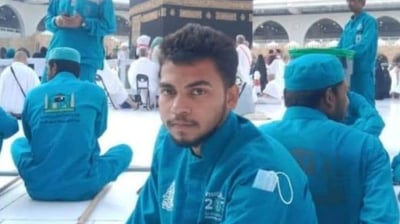
Two Bangladeshi migrant workers have been put to death by authorities in Saudi Arabia after spending more than a full year locked inside foreign prisons. The sudden news of their death has created deep grief and heavy disbelief for their poor families back home in rural Bangladesh. The execution has also triggered serious diplomatic questions because official records revealed that both individuals were kept in prison without their family members or their home country embassy receiving any advance warning about a death sentence.
The two workers were identified as Nazrul Islam Abdul Basir and Sweety Akhtar. Both of them had traveled from small Bangladeshi towns to the Middle East in search of simple jobs that could help support their aging parents and children. They were employed as basic daily cleaners for an established cleaning company named Al Majal Company, which provides sanitation and maintenance work in Saudi cities. Like thousands of other workers from South Asia, they worked long hours cleaning floors and public spaces, hoping to send their small monthly savings back to their native villages.
Trouble began for the two workers in the month of August 2023, when local police in the city of Jeddah took both of them into custody on back to back days. Official paperwork from the Bangladesh foreign mission showed that Nazrul was arrested on August 1, 2023, under strict national cybercrime and electronic regulations. Just one day later, on August 2, 2023, Sweety was taken into custody by authorities on an allegation of adultery. Following their arrests, they were separated and placed in different jails, with Nazrul kept inside the Jeddah Correctional Facility while Sweety was locked inside the Jeddah Women Prison.
The case took a dark turn on October 14, 2026, when Saudi authorities announced that the man and the woman had been officially executed in the holy city of Mecca. Official statements released after the punishment claimed that the two workers had carried out an indecent and immoral act inside a holy mosque. This public claim stood in sharp contrast to the earlier legal papers recorded by foreign officers, which had only mentioned separate matters related to mobile phone usage and domestic personal disputes.
The sudden news of their deaths sent intense shock waves through the Bangladesh diplomatic office in Jeddah. A confidential official report sent on October 18, 2026, to the Ministry of Expatriates Welfare and Overseas Employment in Dhaka stated that diplomats were completely unaware that any capital punishment had been ordered. Just two weeks earlier, on September 30, 2026, the consulate had received an official prisoner roster from local prison authorities. That list clearly named both Nazrul and Sweety as living inmates, but it contained no mention of a trial result, no note of a death ruling, and no notice of an approaching execution date.
Diplomatic officers noted in their secret report that such severe punishment was entirely unheard of for the types of charges recorded on paper. The official memo revealed that more than three hundred Bangladeshi citizens were being kept in various regional jails on different moral and legal charges, with many serving terms from one month to several years. However, senior embassy staff stressed that they had never seen a single case where foreign cleaners faced a sudden execution order for computer rule violations or personal relationship accusations.
Back in the village of Brahmanbaria in Bangladesh, Nazrul's family broke down in tears after learning about his sudden demise through internet reports. Nazrul had traveled abroad in November 2022 after borrowing money from local lenders to pay for his passport and travel papers. His mother, Rahima Begum, explained that her son was able to place short telephone calls to the family from his prison cell every few weeks. Their very last phone conversation took place on October 11, 2026, only three days before his life was ended. During that call, he never mentioned any death penalty and simply asked about the health of his family, leading them to believe he was safe and waiting for release.
A similar wave of sorrow hit the village of Mirzapur in the Tangail district of Bangladesh, where Sweety grew up. Her elderly father, Fazal Mia, shared that the family had taken a heavy loan of one hundred and fifty thousand taka from private persons just to send her to work as a cleaner. Fazal Mia told local reporters that Sweety had managed to call home to explain that she had been trapped in jail following an unexpected workplace dispute with her employer. During recent calls, she sounded hopeful and told her relatives that she expected to be freed and sent back home within a few short months. The unexpected news of her death left her elderly parents completely helpless and heartbroken.
The mystery surrounding the trials has raised urgent questions about legal help and basic human rights for poor migrant laborers. Because the families and embassy staff were kept in the dark, the two workers had no private lawyers representing them in court. They did not have trusted translators who could explain the courtroom proceedings to them in their mother language. Bangladesh authorities have now sent an urgent legal note to the Saudi Ministry of Foreign Affairs, asking for official copies of the court papers, trial recordings, and written evidence showing whether the two workers were given any fair chance to defend themselves before the punishment was carried out.
The tragedy became even more painful for the families when fake news and old videos began spreading on social media platforms. Several internet accounts posted old video clips from completely unrelated events, falsely claiming that the clips showed the Bangladeshi couple inside the mosque. Independent fact checking teams and government officers stepped in to confirm that those viral internet clips were completely false and had nothing to do with the two cleaners. The spread of untrue stories added heavy emotional pain to grieving relatives who were already struggling to process the reality of their loss.
The incident brings attention to the hard lives and extreme vulnerabilities of migrant workers across the Gulf region. Millions of poor men and women travel from South Asian villages every year, taking up low paying cleaning and domestic jobs under foreign sponsorship systems. When these workers face criminal accusations or workplace disagreements, they often find themselves isolated, unable to read foreign laws, and cut off from timely embassy support.
Both families in Bangladesh have now appealed directly to the government in Dhaka to step forward and assist them during this terrible tragedy. They are pleading for the return of the bodies so that the deceased workers can receive proper last rites and prayers in their own hometowns. As public grief continues to grow, community groups and human rights observers are demanding full transparency and clear answers about how two young workers went from simple prison detention to a sudden capital execution without fair warning.