
Second US Federal Judge Blocks Trump 100000 Dollar H 1B Visa Fee Bringing Major Relief to Tech Employers and Skilled Foreign Workers
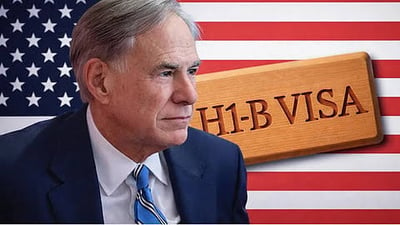
A second United States federal judge has halted the Trump administration from enforcing an unprecedented 100,000 dollar fee on certain new H-1B visas for highly skilled foreign professionals. The temporary injunction delivers another legal blow to the White House immigration policy and offers major immediate relief to global technology firms, American universities, healthcare providers, and thousands of skilled workers from countries like India.
The decision was handed down by US District Judge Haywood Gilliam in Oakland, California, who granted a preliminary injunction requested by a broad coalition of labor unions, business employers, and non-profit organizations. The judge concluded that the Department of Homeland Security, the US Citizenship and Immigration Services, and the State Department had bypassed the essential administrative procedures required under federal law before imposing the massive financial charge on hiring companies.
Under the Administrative Procedure Act, federal departments must allow the public and impacted industries a fair opportunity to review proposed rules and submit official feedback through a formal notice and comment period. Judge Gilliam determined that the government agencies had pushed the six-figure fee into effect through sudden agency guidance rather than conducting the required transparent rule-making process, effectively preventing employers from voicing practical objections.
The California court order marks the second time a federal bench has stepped in to stop the six-figure fee from being collected. Earlier this year, US District Judge Leo Sorokin in Boston, Massachusetts, separately blocked the implementation of the charge in a legal challenge brought by twenty US states. In that ruling, the court found that imposing such an extraordinarily high payment amounted to an unlawful tax that only the United States Congress has the constitutional power to create.
The Trump administration initially introduced the 100,000 dollar fee through a presidential proclamation targeting new overseas workers hired under the H-1B program, later extending the policy for an additional year. White House officials argued that the hefty charge was necessary to protect American employment, discourage corporations from replacing domestic workers with lower-paid foreign staff, and ensure that only the most irreplaceable foreign talent enters the country.
The fee drew sharp opposition from business groups, including the US Chamber of Commerce and leading tech advocacy organizations. Critics pointed out that adding 100,000 dollars on top of existing visa application costs would make it virtually impossible for small businesses, research laboratories, startups, and public hospitals to recruit necessary software engineers, medical doctors, and scientific researchers. Industry groups argued that the charge would harm innovation and push valuable technology jobs outside the United States.
The legal victory is especially significant for Indian professionals and information technology companies, who traditionally make up more than seventy percent of all approved H-1B specialty occupation visas issued annually. Many recruitment drives that had been frozen due to the sudden fee increase can now proceed under normal regulatory requirements while court challenges continue to be argued on their merits.
The Justice Department is currently appealing the earlier Massachusetts court ruling before a federal appeals court, while federal agencies have also proposed a formal administrative rule to establish a similar high fee through traditional channels. For the time being, the back-to-back federal court injunctions ensure that employers across the United States can continue petitioning for vital skilled foreign personnel without facing the massive financial penalty.