
SriLankan Airlines Flight Hit By Lightning Forces Dramatic Safe Return To Colombo After Mid Air Engine Sparks And The Amazing Science That Saved It
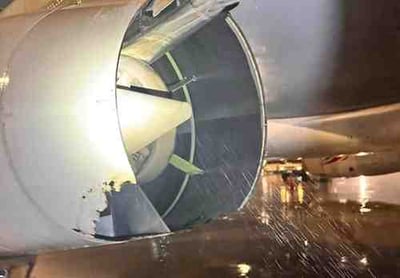
A routine international journey transformed into a night of absolute terror for 207 passengers and 16 crew members aboard SriLankan Airlines flight UL606. The wide body Airbus A330 aircraft departed from Bandaranaike International Airport in Colombo at approximately 00:05 AM on Friday, June 12, 2026, setting a direct course for Sydney, Australia. However, the skies quickly turned treacherous as the plane encountered a severe bout of adverse weather conditions just minutes into the climb. A massive bolt of lightning ripped through the darkness, striking the left engine of the aircraft with incredible force. Passengers sitting on the left side of the cabin reported hearing a deafening, terrifying loud bang that sent immediate panic through the seating rows. This sound was instantly followed by the highly visible sight of sparks and brief flames shooting out from the affected engine structure. A viral video circulating across global news networks captured the exact moment the electrical discharge interacted with the plane, highlighting the sheer vulnerability of commercial aircraft to sudden, severe weather anomalies during their initial departure phases.
The response from the flight deck was rapid and meticulous, demonstrating the immense value of rigorous modern pilot training and strict cockpit discipline. Recognizing the potential threat to the structural integrity of the engine, the captain immediately brought the volatile situation under control by stabilizing the aircraft. Acting out of an abundance of caution, the pilots decided to abort the lengthy overwater flight to Australia and initiated an urgent return to the departure airport. The flight crew safely navigated the damaged Airbus A330 back through the stormy weather, executing a flawless precautionary landing back at Bandaranaike International Airport at roughly 1:40 AM. Emergency ground crews and airport response units were placed on high alert, standing by the runway as the plane touched down safely. Fortunately, despite the extreme anxiety and psychological distress experienced by the travelers onboard, airport authorities and airline spokespersons confirmed that zero injuries were recorded among the 223 total souls on board. This survival is deeply rooted in fundamental physics principles, specifically the concept of a Faraday cage. Because the aluminum skin of the aircraft behaves as an excellent electrical conductor, the immense voltage from the bolt travels entirely along the exterior surface of the fuselage rather than penetrating the interior cabin, protecting the passengers and core electronic instruments from lethal electrocution.
While the physical structure of the plane successfully withstood the lightning strike, the operational reality of this incident exposes several ongoing vulnerabilities within the regional aviation network. SriLankan Airlines acted decisively to minimize passenger disruption by immediately deploying a replacement Airbus A330 aircraft, which departed for Sydney later that same morning at 5:51 AM. However, the affected aircraft had to be towed directly to the technical engineering hangar in Katunayake for comprehensive damage assessment and extensive repairs, which inevitably strains the active fleet availability of the carrier. Aviation experts looking at the event observe that while modern jetliners are engineered to safely discharge billions of joules of electricity back into the surrounding air via static wicks located on the trailing edges of the wings, the localized thermal damage to external engine cowlings and sensitive digital monitoring systems can still be substantial. This specific operational incident raises important questions regarding regional meteorological tracking efficiency, as avoiding localized, severe convective cells during late night departures remains a complex challenge for air traffic control units and airline dispatchers operating in tropical regions.
In the broader context of international aviation safety, this successful emergency landing reinforces the critical importance of maintaining uncompromising operational standards and strict adherence to safety protocols. SriLankan Airlines released an official statement following the safe touchdown, emphasizing that the well being of their customers and operational personnel remains their absolute highest priority. They reiterated their long term commitment to upholding the most stringent safety regulations across all facets of their daily international flight network. Ultimately, this mid air scare highlights a powerful narrative of engineering success and human competence triumphing over unpredictable environmental forces. The incident concludes not as a tragic disaster, but as a textbook demonstration of emergency management where modern technology, rapid pilot decision making, and excellent ground support combined perfectly to ensure that over 200 travelers returned to solid ground entirely unharmed.