
Venezuela Earthquakes Leave 680000 Children In Urgent Need Of Humanitarian Aid As First UNICEF Supply Flight Lands
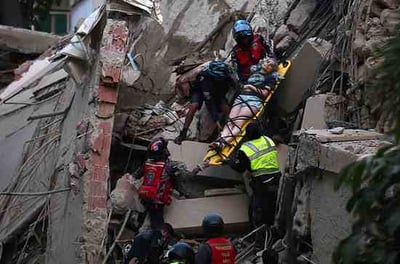
A massive humanitarian crisis has unfolded across Venezuela following 2 powerful back to back earthquakes that struck the northern region of the country within a minute of each other. The catastrophic seismic events measured magnitudes of 7.2 and 7.5 on the Richter scale, making this the most significant and destructive earthquake disaster to hit the nation in over a century. According to the latest assessments released by the United Nations Children Fund, a total of 1.8 million people have been directly affected by the disaster, with an estimated 680000 children left in desperate need of urgent humanitarian assistance. The massive tremors resulted in widespread structural failure, completely collapsing residential homes and commercial buildings while forcing panicked families to flee into the open streets for safety. Official figures confirmed that at least 1430 people lost their lives and another 3238 individuals sustained severe injuries, with the total casualty figures expected to climb further as specialized rescue teams continue to clear through the heavy debris.
The severe impact on the national public infrastructure has pushed existing social and medical services to a state of near collapse across multiple heavily hit regions, including La Guaira, Carabobo, Aragua, Falcón, and the Capital District of Caracas. Preliminary satellite data analysis reveals that nearly 33 percent of all buildings in Catia La Mar, which is located in La Guaira state and recognized as the worst hit area so far, have suffered major structural damage. The local healthcare network has taken a massive blow, forcing hospitals to operate far beyond their intended capacity while dealing with critical shortages of clean running water and electricity. Furthermore, the disaster has severely disrupted the national education system, with official counts indicating that 432 schools in the Capital District alone have been structurally compromised. To cope with the displacement of thousands of families who lost their homes, regional authorities have been forced to repurpose the remaining undamaged school facilities into temporary emergency shelters.
In response to this escalating catastrophe, the first emergency humanitarian aid flight mobilized by the international community has successfully landed in Valencia, Venezuela. The initial charter flight arrived from the regional logistics hub in Panama, carrying 20 metric tons of vital life saving cargo that includes essential medical supplies, emergency health kits, protective equipment for frontline medical workers, and temporary tents. This shipment also includes specialized water and sanitation hygiene items, such as collapsible water tanks and household hygiene kits, to restore access to safe drinking water and prevent the outbreak of waterborne diseases among displaced populations. A 2nd major shipment from the global logistics hub in Copenhagen is scheduled to deliver 48 metric tons of additional medical equipment, first aid packages, water tanks, and acute watery diarrhea treatment kits. Together, these initial flights aim to provide direct relief to more than 100000 individuals, but international agencies emphasize that a total of 52 million US dollars is urgently required to sustain the emergency operations over the coming months.
The unfolding disaster highlights a critical vulnerability in the regional emergency response framework when natural catastrophes strike an already fragile socio economic environment. Venezuela was already navigating a protracted economic crisis marked by high inflation and overextended public services prior to the seismic shocks, meaning that marginalized communities possessed virtually no financial buffer to absorb such a severe physical blow. While the rapid arrival of air relief demonstrates strong logistical coordination from international bodies, relying entirely on temporary supply flights cannot address the structural challenges of long term reconstruction. The fact that the primary international airport in Maiquetía sustained severe damage and remains largely inoperable introduces a massive operational bottleneck that severely slows down the entry of foreign humanitarian personnel and heavy equipment. Ultimately, the successful stabilization of the affected population will depend not just on immediate aid drops, but on whether international donors provide flexible funding to rebuild the shattered public school and healthcare systems from the ground up while keeping child protection at the center of the recovery strategy.