
Supreme Court Moved by Ex-IAS Officer Over National Song Replacement With Religious Song From Anandamath
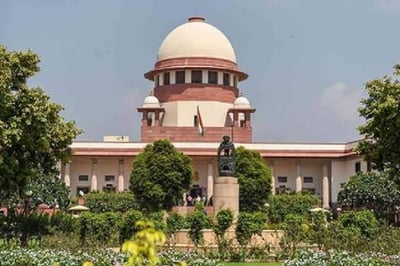
A retired Indian Administrative Service officer has approached the Supreme Court of India with a writ petition, raising serious constitutional objections against the growing practice of promoting a religious song as the country's national song. The petitioner identified himself as a Hindu citizen belonging to a Scheduled Caste community, emphasizing that government machinery must remain strictly neutral and cannot force any religion-based composition on the people of the country.
The legal action centers around verses taken from Bankim Chandra Chatterjee's famous Bengali novel Anandamath, written in the late nineteenth century. According to the petition, the complete song from the novel contains strong religious imagery, battle cries, and prayers dedicated directly to a specific deity. The petitioner pointed out that presenting these sectarian verses under an official patriotic label crosses the boundary of state secularism and creates discomfort among various citizen groups across the country.
The plea highlights the historical decisions made by the Constituent Assembly during the drafting of the Constitution. Legal records show that the framers of the Constitution carefully examined the full text of Vande Mataram decades ago and deliberately chose to adopt only the first two stanzas as the national song because those initial lines focus purely on nature, rivers, and the beauty of the motherland without any sectarian religious prayers.
The former bureaucrat argued that recent public events, government gatherings, and state-backed educational circulars have started introducing the later, religious sections of the text. The petition stated that treating the full religious composition as an official anthem forces citizens of diverse faiths, including millions from non-Hindu communities, minority groups, and marginalized backgrounds, to participate in religious worship disguised as national duty.
The petitioner submitted that Article 28 of the Indian Constitution strictly forbids religious instruction in institutions that receive financial aid from state funds. By making students, teachers, and public servants sing religious invocations in public schools and official offices, state authorities are violating fundamental protections guaranteed under the basic structure of the Constitution.
The court document also brought up Article 25, which gives every person in India the freedom of conscience and the right to practice or not practice any faith. The retired officer noted that secularism is not merely a political slogan, but a non-negotiable principle established by several historic Supreme Court rulings. The plea stated that the state must remain detached from religious rituals and cannot favor or impose the beliefs of any single group over others.
In the legal grounds presented before the top court, the petitioner explained that patriotism belongs equally to all citizens regardless of their caste, community, or religious practices. The filing made clear that true love for the nation does not require citizens to recite religious poems that go against their personal conscience or spiritual convictions, and equating national loyalty with a specific religious text damages social harmony.
The petition asks the Supreme Court to issue clear guidelines to all central ministries and state administrations, directing them to strictly follow the original decision of the Constituent Assembly. It requests a firm order restraining government departments and public schools from compelling anyone to sing or stand for religious sections of the song, ensuring that national ceremonies remain inclusive for every citizen of India.