
Supreme Court Probe Panel Prioritizes Pellet Gun Deployment and Harassment of Women in July 20 Parliament March: Will Police Excesses Finally Face Reckoning?
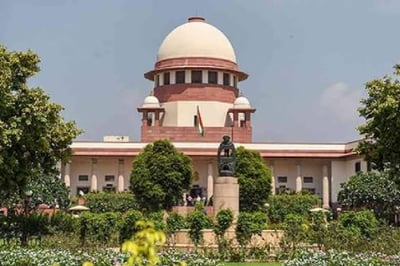
The Supreme Court-appointed High-Powered Enquiry Committee (HPEC), constituted to investigate the heavy-handed police crackdown during the July 20 student march to Parliament, has announced that it will prioritize inquiries into the deployment of pellet guns and allegations of targeted violence and sexual harassment against female protesters. According to an official communication released through the Ministry of Home Affairs (MHA), the panel has established a secure online portal allowing victims, eyewitnesses, and injured personnel to lodge complaints and submit forensic evidence under strict confidentiality safeguards.
The July 20 demonstration, organized under the banner of youth and student outfits including the Cockroach Janta Party (CJP), saw thousands of university students converge near Jantar Mantar to march toward Parliament against electoral roll deletions and institutional opacity. The assembly was met with severe coercive force from the Delhi Police and central paramilitary units. Security forces deployed water cannons, tear gas, lathi charges, and lethal pellet guns to disperse the unarmed procession. Medical records confirmed multiple pellet wounds among student demonstrators, sparking nationwide outrage over the normalization of conflict-zone weaponry against peaceful domestic protests.
Compounding the controversy were disturbing testimonies from female students detailing targeted assault, molestation, secondary victimization, and unlawful detention by male police personnel. Rather than initiating internal inquiries into command-level lapses, the administration initially responded with sweeping FIRs against the protesters themselves, before the Supreme Court stepped in to quash the criminal cases and mandate an independent five-member inquiry headed by former apex court judges and administrators.
The launching of the evidence portal and the decision to prioritize lethal riot munitions and gender-based violence signal a critical moment for police accountability. However, rights advocates and legal defenders point out that past probe commissions have routinely devolved into protracted bureaucratic exercises where senior officers escape accountability behind prolonged hearings. For the HPEC's findings to deliver genuine justice, observers emphasize that the inquiry must pierce through institutional impunity, examine the operational command chain that authorized the use of pellet guns in the capital, and hold top law enforcement leadership directly answerable for constitutional violations.