
Weaponizing Communal Laws to Crush Electoral Dissent: Police Book 300 CJP Protesters Over Anti-Hindutva Slogans in Goa
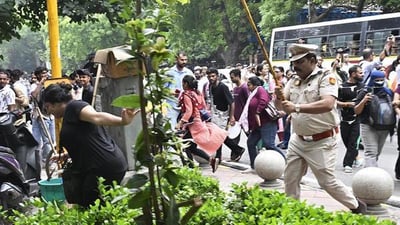
Goa Police have registered a First Information Report (FIR) against nearly 300 unidentified demonstrators associated with the Cockroach Janta Party (CJP) following a rally in Panaji, booking them under stringent penal provisions for allegedly raising "anti-Hindutva" slogans. The criminal case invokes Sections 196 (promoting enmity between groups) and 299 (malicious acts outraging religious feelings) of the Bharatiya Nyaya Sanhita (BNS). The police action followed a private complaint citing viral social media video clips from an October 11 assembly where demonstrators gathered to demand the resignation of Chief Election Commissioner Gyanesh Kumar over massive voter deletions during the Special Intensive Revision (SIR) exercise.
The filing of sweeping criminal charges against hundreds of unnamed citizens reflects a well-worn playbook: reframing legitimate political opposition and institutional critique as threats to public order and religious sentiment. The Panaji protest was called explicitly to challenge the deletion of legitimate voters and highlight severe irregularities within the Election Commission of India. Instead of addressing documented concerns over disenfranchisement, state authorities first denied assembly permission at Azad Maidan, detained seven activists, and released them only after the Bombay High Court intervened in an extraordinary late-evening habeas corpus hearing.
Following remarks by Goa Chief Minister Pramod Sawant warning that his administration would crack down on perceived disruptions to social harmony, local police acted swiftly on the complaint of a local resident. The complainant alleged that slogans such as "Hindutva murdabad" were designed to disturb communal peace. In response, CJP leadership clarified that the organization's movement is strictly civic, constitutional, and aimed entirely at restoring integrity to electoral rolls, disowning any statements that dilute its democratic focus into sectarian dispute.
Legal scholars and civil liberties advocates argue that deploying hate speech and religious offense clauses against political demonstrators sets a chilling precedent. By equating criticism of political Hindutva with criminal hostility toward religious communities, law enforcement agencies are effectively lowering the threshold for criminalizing peaceful assembly. Booking 300 faceless demonstrators under non-bailable statutory provisions not only shields top electoral officers from public accountability, but also arms the executive with discretionary leverage to interrogate, intimidate, and suppress students and activists exercising fundamental rights to free speech.