
US Immigrant Visa Applications Paused Worldwide as Donald Trump Administration Launches Stricter Consular Vetting on Public Benefits
Thousands of families, skilled professionals, and prospective immigrants around the world have had their relocation plans thrown into sudden turmoil after the United States government abruptly suspended immigrant visa interviews across all American embassies and consulates globally. Applicants who had waited months or even years for their final consular appointments received unexpected cancellation emails informing them that their scheduled interview slots were postponed indefinitely. The sweeping halt affects people seeking permanent residency through family sponsorship, direct employment, and diversity programs, bringing an entire pillar of the American legal immigration system to a complete standstill.
The global freeze was officially confirmed on Wednesday, 26 August 2026, following a directive from the United States State Department instructing diplomatic posts to pause active immigrant visa processing. According to official statements, the temporary shutdown was ordered to conduct an extensive retraining program for consular officers stationed abroad. The administration explained that the new training initiative is designed to ensure consular staff strictly enforce federal public charge regulations, which legally prohibit granting permanent residency to foreign individuals deemed likely to depend on public welfare assistance in the future.
The sudden decision has caused widespread disruption for individuals and families who had already made life-altering preparations to attend their mandatory consular meetings. Immigration attorneys report that countless clients had spent thousands of dollars on non-refundable travel bookings, specialized medical examinations, background verifications, and certified translations, only to receive eleventh-hour cancellation notices without any confirmed rescheduling timeline. The lack of clarity has left thousands of applicants in limbo, unable to finalize employment transitions, lease agreements, or property sales in their home countries.
The move marks another major escalation in the White House policy of systematically restricting lawful immigration channels and tightening entry requirements. Since returning to office, the administration has placed heavy emphasis on vetting incoming foreign nationals to protect domestic welfare programs and public resources. While government spokespersons maintain that permanent residency is a privilege reserved for those who are fully self-sufficient, legal advocates and civil rights organizations argue that applying sweeping public charge thresholds disproportionately penalizes lower-income applicants and working-class families seeking lawful reunification.
The worldwide operational pause comes directly on the heels of major legal battles in federal courts over administrative immigration authority. Just days before the global freeze was announced, a federal district judge in New York struck down a previous administration directive that had halted immigrant visa processing for nationals from seventy-five lower-income nations. The court ruled that the targeted suspension overstepped executive boundaries and unlawfully stripped consular officers of their statutory discretion. Legal analysts point out that the administration responded to this judicial setback by initiating a universal, training-based operational pause that applies equally across all foreign diplomatic missions.
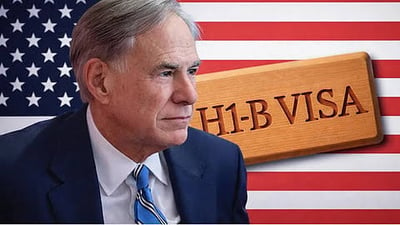
Beyond immigrant visas and permanent residency petitions, the administration has expanded its regulatory offensive across multiple non-immigrant and temporary work visa categories. The Department of Homeland Security recently published a contentious regulatory proposal that would raise the application fee for the H-1B skilled worker visa to over one hundred and three thousand dollars. The H-1B program serves as the primary route for American technology companies, healthcare providers, and research universities to recruit global talent. Industry groups and international trade bodies have warned that such exorbitant fee hikes could severely damage corporate competitiveness and encourage multinational firms to relocate high-value research operations abroad.
At the same time, federal agencies have stepped up enforcement measures against foreign visitors who arrived on temporary tourist or business visas and subsequently applied for political asylum. The State Department announced active coordination with homeland security officials to identify and revoke up to two hundred thousand visas of foreign nationals accused of misrepresenting their original travel intent. Officials characterized the practice of utilizing temporary visitor permits to seek permanent asylum as visa fraud, signaling that federal authorities intend to carry out what they describe as the largest mass visa revocation campaign in modern history.
The mounting regulatory hurdles have created severe anxieties across major source nations for international migration, including India, China, the Philippines, Nigeria, and Mexico. For decades, legal immigration pathways have allowed hundreds of thousands of foreign-born professionals, specialized researchers, and immediate relatives of American citizens to contribute directly to the national economy and social fabric. With interview calendars frozen and processing standards shifting unpredictably, prospective immigrants are finding that following standard legal procedures offers little certainty against sudden policy overhauls.
Diplomatic observers and immigration experts suggest that the global training initiative could lead to significantly higher rejection rates once embassy interviews eventually resume. By setting strict economic thresholds and scrutinizing applicants assets, credit history, and potential healthcare needs, consular officers will have greater leeway to deny green card applications on subjective financial grounds. As families and employers await the reopening of consular schedules, the international community continues to watch how legal challenges and administrative directives will reshape the landscape of legal migration into the United States.