
Why 40 Airport Passengers Chose Long Uber Queues While Empty Ola Cabs Were Ready To Drive Immediately
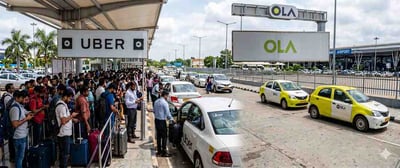
A routine arrival at Terminal 2 of the Kempegowda International Airport in Bengaluru quickly transformed into a fascinating case study on human behavior and brand loyalty. Local resident Akash Kotalwar landed in the tech city and headed directly toward the designated app based ride hailing zones to book his trip home. Upon reaching the pickup bays he was stunned to witness a massive crowd of 30 to 40 travelers standing patiently in a slow moving queue for the Uber GO service. The app displayed a daunting wait time of roughly 30 minutes for the incoming vehicles. Strangely just a few meters away the official Ola service counter stood completely empty with multiple idle cabs parked in the bays and customer executives actively calling out to passengers that vehicles were ready for instant departure with zero wait time.
Despite the stark contrast in immediate convenience and availability not a single passenger from the long line stepped out to switch to the rival platform. Even Kotalwar who found himself frustrated by the long delay chose to open his app and pay a premium price to upgrade to an Uber Comfort ride instead of walking over to the ready and waiting Ola counter. He documented this striking scene on LinkedIn pointing out that this behavior reflects a wider economic phenomenon called the psychological cost of switching. According to his analysis when corporate travelers or tired families finish a exhausting flight their primary mental demand is absolute predictability. Stepping into an alternate application after a long journey feels like an unnecessary gamble whereas sticking with a deeply integrated ecosystem offers total peace of mind even if it demands a higher price or a lengthy wait.
Looking closer at this sharp division in consumer selection reveals that the preference is driven by long term user experience rather than simple habit. Over the last few years digital commuters across major Indian metro cities have frequently complained about localized booking cancellations and sudden driver dynamic shifts on regional networks. On digital forums replying to the viral airport observation several daily commuters pointed out that one specific platform historically invested much more resources into creating highly standardized tracking processes and superior dispute management systems. Additionally a general perception persists among frequent flyers that the structural quality of premium tier vehicles remains more consistent on one side. Because an airport transfer in a congested metropolis like Bengaluru involves long driving distances stretching up to 40 kilometers passengers intentionally prioritize ride comfort and operational safety over immediate time savings.
This behavioral pattern is reshaping how major consumer facing companies deploy their pricing strategies against deep pocketed rivals. The airport incident shows that modern tech companies can no longer win long term market share by simply burning venture capital on cheap discounts if their underlying service lacks consistency. Similar trends are visible in the food delivery and quick commerce sectors where users repeatedly stick to platforms like Zomato or Blinkit despite Swiggy or Zepto offering flash coupons. When a digital brand successfully transitions from being a mere utility to an unshakeable daily habit the consumer willingly absorbs a higher transaction fee in exchange for operational certainty. As the local transportation landscape becomes more competitive the ultimate winner will not be the company with the most idle cars on the ground but the one that minimizes mental friction for the user.