
Will Modi crush 20 crore people for speaking against Modi, Cockroach Janta Party website and social media ban explained
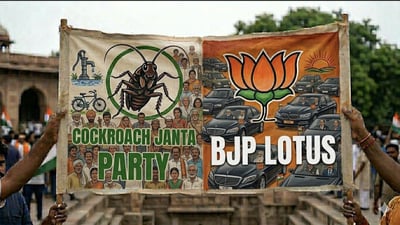
The Indian digital ecosystem is witnessing intense political friction following a massive administrative crackdown on a viral Gen Z satirical movement known as the Cockroach Janta Party. This unique internet front exploded in popularity almost overnight by capturing the deep economic anxieties and systemic frustrations of the younger generation. As the movement rapidly crossed twenty million followers online the digital discourse reached a critical boiling point with dramatic public debates emerging across major social media platforms. Supporters and worried citizens began raising sharp hypothetical questions asking whether the ruling administration under Prime Minister Narendra Modi would mentally or socially crush 20 crore people simply for speaking against Modi and demanding accountability. This widespread public apprehension quickly intensified when the official portal of the youth campaign went completely dark and its prominent social media handles were formally blocked under state regulatory directives.
This absolute ban on the primary digital infrastructure of the platform demonstrates how aggressively authorities can move to restrict alternative political narratives that acquire rapid mass mobilization online. Within a short period the official domain was rendered entirely inaccessible while major networks restricted the official pages following formal legal withhold demands issued by the state. Supporters of the satirical movement argue that using heavy handed digital censorship to silence an internet platform is an extreme overreaction that sets a dangerous precedent for free expression. They feel that treating humorous memes and peaceful student online petitions as a national security threat only deepens the youth perception that the administration is entirely unwilling to tolerate open dissent. Conversely government representatives and critics maintain that the restrictions were crucial to halt potential cross border influence operations and prevent the spread of coordinated digital misinformation that could impact public order.
Despite the severe internet blockade and the loss of their primary communication networks the leadership of the campaign issued an emergency statement through alternative channels to reassure their massive follower base. The organizers strongly clarified that their platform is a peaceful constitutional effort designed to highlight major domestic issues like the recent national exam paper leaks and high youth unemployment rates. Instead of abandoning the initiative the coordinators announced that they are transitioning to decentralized independent networks to keep the community connected and active. They emphasized that the sudden takedown of their main website has only increased their motivation to compile real policy suggestions from their multi million member community to challenge current education and employment strategies.
This ongoing confrontation opens up a critical national discussion regarding the boundaries of political satire and the future of internet freedom in a digital democracy. Attempting to completely block an organic digital movement that mirrors the economic frustrations of a massive youth demographic can often backfire by pushing public discontent into deeper unmonitored channels. While some critics argue that the platform relied on provocative rhetoric that could cause unnecessary social panic supporters view the state ban as a direct strategy to avoid discussing pressing structural weaknesses in the job market. By attempting to entirely wipe out the online presence of the satirical front the authorities have transformed a simple internet phenomenon into a prominent symbol of youth resistance. The upcoming weeks will determine whether this absolute digital shutdown will succeed in dismantling the platform or if the movement will successfully adapt to continue its advocacy.