
G7 Ministers Meet To Stop New Iran War And End Ukraine Conflict
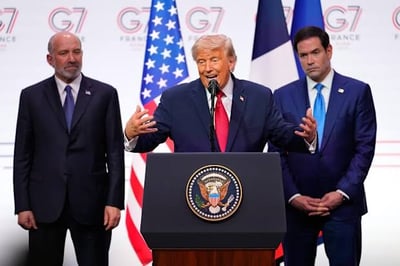
Foreign ministers representing the world leading industrial nations have gathered for high level international discussions to address pressing global security emergencies. The primary purpose of this international meeting is to find practical ways to end the long running conflict in Ukraine while also taking immediate diplomatic steps to prevent a dangerous new war involving Iran. The officials attending the summit come from Britain, Canada, France, Germany, Italy, Japan, and the United States. These countries form the Group of Seven, widely known as the G7. The talks take place at a critical time when ordinary citizens and governments around the world are deeply worried about international peace, energy security, and regional stability.
The agenda for the meeting closely mirrors the serious concerns that dominated their previous gathering. Although several months have passed, the core international dangers facing these world powers remain largely unchanged. Government officials pointed out that the worries driving this round of talks are remarkably similar to the issues they tried to address earlier in the year. The battlefield situation in Eastern Europe continues to cause heavy human suffering, while recent military escalations and heated rhetoric across the Middle East threaten to drag more nations into a much wider armed conflict.
At the center of the talks is the urgent desire to restore peace in Eastern Europe. The war has devastated towns, displaced millions of families, and strained global economies through rising food and fuel costs. The ministers are examining every possible peaceful path to bring fighting to an end while upholding the territorial rights of the affected country. Diplomats at the summit noted that the ongoing conflict has tested international alliances, making strong, unified decisions essential. The representatives are discussing how to manage humanitarian aid, how to supply protective assistance, and how to create realistic conditions for eventual diplomatic negotiations.
At the same time, the fear of an expanding conflict involving Iran has pushed the ministers to take quick diplomatic action. Rising tensions in the Middle East have reached a dangerous point where any small military mistake could trigger a direct confrontation between powerful nations. To stop this from turning into an all-out war, the delegates are focusing on strict diplomatic channels, direct warnings, and clear messages urging all sides to pull back. G7 officials believe that preventing open warfare in the region is essential not only to save innocent civilian lives, but also to protect international shipping routes, global trade routes, and international oil supplies that keep the global economy stable.
The gathering also allows the seven partner countries to demonstrate international unity in a fractured world. In recent times, disagreements over trade policies, military budgets, and political priorities have tested relationships between Western allies and their partners. By sitting together in a single room, the ministers intend to show that democratic nations can still speak with a single, clear voice when global security is at risk. Diplomats stated that presenting a united front sends a powerful signal to both allies and rivals that sudden military aggression will not be ignored or tolerated by the international community.
Economic pressure remains one of the primary tools under discussion. Rather than relying solely on military power, the participating ministers are reviewing existing sanctions and considering tighter economic rules against countries that fuel regional unrest. The goal of these financial measures is to limit the resources available for funding weapons programs, military drones, and troop deployments. However, the ministers are also carefully balancing these economic penalties so that they do not unintentionally harm regular working people who are already struggling with the rising cost of everyday living.
In addition to military threats and financial sanctions, the discussions cover wide humanitarian assistance programs. The prolonged fighting in conflict zones has left hospitals destroyed, schools closed, and entire neighborhoods without electricity, clean water, or basic heating. G7 officials emphasized that any credible plan to end regional fighting must go hand in hand with direct help for innocent families caught in the middle of battle zones. Representatives are planning new funding contributions to international aid agencies to supply food, medicine, and temporary housing to vulnerable communities.
Diplomats at the venue noted that reaching complete agreement among all seven nations requires continuous negotiation. While every member agrees that the violence in Eastern Europe must stop and that a new Middle Eastern war must be prevented, individual countries sometimes have differing ideas on how far to push economic penalties or military assistance. Nations with heavy economic ties to global energy markets often prefer cautious, gradual steps, while other members urge faster, more decisive actions. The working sessions are designed to smooth over these policy differences and produce a joint statement that reflects genuine shared purpose.
Independent analysts and foreign policy observers are watching the summit closely to see if the talks will lead to real changes on the ground. Many previous international conferences have produced strong written declarations but very little practical change in war zones. Experts argue that words alone will not stop missile strikes or calm angry borders unless they are followed by determined, realistic actions. The participating leaders understand this challenge and have stated their desire to produce clear, actionable agreements rather than vague promises.
As the summit proceeds, the ministers are scheduled to hold several rounds of private talks, bilateral discussions, and joint press conferences to explain their shared plans to the public. The decisions made during these meetings could shape international security, trade stability, and global diplomatic efforts for months to come. With lives and economic livelihoods hanging in the balance across multiple continents, the pressure on these seven industrial nations to deliver real diplomatic solutions has never been higher.