
Dry Skies Over Telangana as Neighboring States Drown in Monsoon Rains
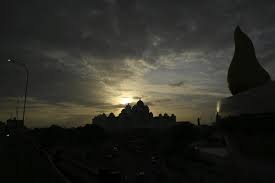
The dangerous reality of climate change is hitting home in Telangana, where millions of people are watching the sky with a mix of frustration and disbelief. While neighboring states like Maharashtra and Karnataka are dealing with massive floods and heavy waterlogging, Telangana has become an unexpected dry pocket in the middle of a wet season. Just across the state borders, people are navigating waterlogged streets and swollen rivers, but in Hyderabad and surrounding districts, the skies remain stubbornly clear and sunny. This unusual dry spell has left local farmers deeply worried and everyday citizens wondering why the rain clouds are actively bypassing their homes. According to official meteorological reports released on July 14, 2026, Telangana is facing a serious rainfall deficit that has reached nearly 28 percent in key urban areas and around 19 percent across the entire state. This situation has surprised weather scientists because July is traditionally the wettest period of the monsoon cycle when heavy downpours are supposed to fill up dry reservoirs and support the vital agricultural sowing season. Instead of refreshing rain, the weather has behaved like an unseasonal summer, pushing daytime temperatures up to 38 degrees Celsius, which is about 6 degrees Celsius higher than what is normally expected for this time of the year, making daily life incredibly hot and sticky for millions of residents.
To understand why Telangana is stuck in this dry bubble while its neighbors drown, we have to look closely at how monsoon winds and pressure systems are behaving this year. Simply having wind blow across a region is not enough to make it rain because heavy precipitation requires specific triggers like a low pressure area or a cyclonic circulation. These atmospheric systems usually form over the Bay of Bengal and push massive moisture inland to trigger heavy rainfall across the state. This year, those systems have simply failed to develop near the coast, which is the usual pathway that brings life giving rain to Telangana. Without these crucial triggers, the moisture laden winds merely pass over the state without condensing into rain, leaving Telangana in a classic dry zone. In previous years, even when June was relatively dry, July and August would make up for the loss with active systems. The current pattern is highly unusual and has not been observed in at least 10 years, as the active monsoon rain has shifted its focus almost entirely toward central, western, and northern parts of India, dumping massive volumes of water on Mumbai and Gujarat while completely ignoring the southern peninsula.
This prolonged dry spell is not just an inconvenience for city dwellers dealing with high electricity bills and air conditioners; it is a fast developing crisis for the agricultural sector that feeds millions of people. Farmers across 20 districts in Telangana are currently facing a difficult choice because the soil remains far too dry for sowing essential summer crops. Agriculture experts are already advising farmers to prepare alternative plans or switch to less water intensive crops if the dry conditions continue past mid July 2026. The water levels in key reservoirs are also dropping rapidly, forcing the state administration to prioritize drinking water supplies over irrigation for crops. What makes this scenario particularly concerning is the global climate context, where international agencies are warning that a strengthening El Nino pattern over the Pacific Ocean is actively suppressing the monsoon over parts of India. An El Nino occurs when sea temperatures in the Pacific rise above normal, disrupting global wind cycles and often leading to weaker monsoons in South Asia. While some parts of India are still getting heavy rainfall due to localized cloud systems, Telangana is bearing the direct brunt of this global climate shift, showing how global ocean temperatures can impact the livelihoods of local farmers in Indian villages.
The unfolding situation in Telangana highlights the critical need for long term climate adaptation and smarter water management policies instead of relying on old weather patterns. Relying purely on traditional monsoon schedules is becoming increasingly risky as global weather systems grow more unpredictable with each passing year. As of July 15, 2026, the local government is already drafting emergency action plans to manage the growing water deficit, but these are temporary patches for a systemic problem that requires permanent solutions. If dry spells of this nature become more frequent over the next 10 years, the state will have to radically rethink its farming patterns and invest heavily in water storage infrastructure. For now, residents and farmers can only wait and hope that a strong low pressure system eventually forms over the Bay of Bengal before the end of July 2026 to bring some much needed relief. Until that happens, Telangana remains caught in a painful waiting game, watching the dark clouds gather and disperse without shedding a drop, serving as a stark reminder of our deep vulnerability to the changing forces of nature.