
New Zealand Political Parties Delay Coalition Talks Following Knife Edge Election Results
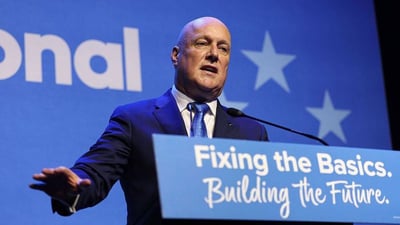
Voters across New Zealand delivered one of the closest election outcomes in modern memory, leaving the nation in political suspense as party leaders put government formation talks on hold. From urban neighborhoods in Auckland and Wellington to rural agricultural valleys across the South Island, citizens turned out to cast their ballots after a tense campaign centered on household expenses, job security, and healthcare challenges. However, when polling booths shut their doors and election night vote counters tallied up the totals, the nation woke up without a definitive winner. The very thin margin separating the two primary political blocs has forced party strategists to take a cautious step back rather than rush into hasty power sharing agreements.
The pause in formal negotiations comes as election authorities confirmed that over three hundred thousand special votes remain uncounted. In New Zealand, special votes include ballots cast by citizens living overseas, hospital patients, defense personnel, and people who registered at voting booths on polling day itself. Historically, these unverified ballots tend to shift leftward, often altering the distribution of parliamentary seats by two or three crucial spots. Recognizing that their current numbers could change once every single paper ballot is audited, party leaders decided to delay detailed coalition talks until the official final results are certified later in the month.
Under the preliminary numbers, the ruling center-right National Party led by Prime Minister Christopher Luxon secured forty-two projected seats, falling far short of the sixty-one seats needed for an outright majority. Even when combining seat counts with traditional partners like ACT and New Zealand First, the governing alliance holds only a narrow sixty-seven seats on paper. Across the aisle, the opposition Labour Party led by Chris Hipkins secured thirty-six seats, with allied Green Party lawmakers and Te Pati Maori members claiming sixteen and five seats respectively. Because the gap between the two major factions is so tight, neither side has conceded defeat or claimed absolute victory, acknowledging that the actual balance of power remains delicate.
Adding a dramatic twist to the post-election landscape is the surprise breakthrough of the centrist Opportunity Party. Polling above the five percent national threshold for the first time, the party captured seven seats in parliament, placing its leadership in a position to act as an influential mediator. The party has campaigned on novel economic ideas, including a universal basic income funded through land value taxes, designed to cushion working families against modern industrial layoffs. While traditional coalitions on both sides are exploring their math, the presence of an uncommitted centrist voting bloc means that future legislative passage will require careful compromise.
While official party leaders step back to study the numbers, normal state business continues under established constitutional caretaker conventions. Under these longstanding rules, the sitting prime minister and cabinet ministers stay in their official roles to manage day to day public administration and respond to unforeseen emergencies. However, caretaker ministers are barred from introducing sweeping new legislative policies, initiating major commercial contracts, or making senior executive appointments. This legal safeguard ensures that public hospitals, schools, and transport systems operate smoothly without interruption while elected representatives resolve their political negotiations.
The unusually close election result reflects deep anxieties felt by everyday New Zealanders who have wrestled with heavy financial pressures. Over the past three years, families have struggled with stubborn inflation on grocery shelves, expensive mortgage rates, and the highest unemployment levels recorded in over a decade. Global energy disruptions and fuel price increases linked to international conflicts added another layer of strain to household budgets. Many ordinary citizens expressed dissatisfaction with both traditional ruling parties, viewing the National government as struggling to lower basic living costs, while remaining hesitant to hand full control back to the Labour opposition.
Political analysts note that the delay in formal bargaining reveals how mature the nation's mixed member proportional voting system has become. Since the electoral reform was introduced in the late nineties, single-party majorities have become rare exceptions. New Zealanders have learned that building a multi-party administration requires patience, detailed policy alignment, and trust between faction leaders. Attempting to sign a coalition pact before special votes are finalized could result in broken promises if seat counts change, making the decision to pause a practical necessity.
Behind closed doors, preliminary contact and informal phone calls are quietly underway to establish baseline expectations. Staff members from minor parties are comparing policy platforms, examining areas of shared interest like regional infrastructure, small business tax relief, and public health investments. Negotiators understand that the public is tired of political posturing and wants a stable government that can pass budgets and address basic economic problems. When formal talks eventually begin, every party will have to decide which campaign promises to protect and which demands to sacrifice.
The coming weeks will demand steady leadership from every political faction involved. Citizens across New Zealand are watching the process with patience, understanding that democratic negotiations take time in a divided parliament. Whether the eventual outcome produces a renewed center-right arrangement or a surprising cross-party collaboration, the temporary pause in coalition talks ensures that the final government reflects the complete and certified will of every voter who took part in the election.