
Saudi Arabia Sofa Factory Fire Kills 16 Bangladeshi Migrant Workers in Riyadh
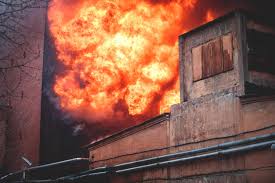
A devastating workplace tragedy has claimed the lives of sixteen Bangladeshi migrant workers following a massive blaze that swept through a furniture manufacturing facility in the Saudi Arabian capital of Riyadh. The severe industrial fire erupted in the Musa Sanaiya area, a bustling industrial zone that houses numerous factories, workshops, and commercial warehouses. Local emergency responders from the Saudi Arabia Civil Defense were immediately dispatched to the location to battle the intense flames, which rapidly consumed the premises due to the heavy presence of highly flammable upholstery materials, timber, and chemical adhesives commonly utilized in sofa production. While the dedicated firefighting units eventually managed to bring the inferno under control and extinguish the main sources of the fire, they discovered the tragic loss of sixteen lives trapped inside the structure. Initial reports and statements from local authorities indicated that the manufacturing site was operating as an unlicensed premises, raising significant and immediate concerns regarding the facility management adherence to basic industrial safety protocols and building regulations.
The sudden and violent loss of life has sent profound shockwaves through communities thousands of miles away in Bangladesh, where families of the deceased are waiting in agonizing suspense for official information and the return of their loved ones. According to detailed statements released by the Ministry of Expatriates Welfare and Overseas Employment in Dhaka, the victims primarily hailed from the northern and western agricultural districts of Naogaon, Natore, and Rajshahi. These young men and experienced labourers had travelled to the Middle East in search of better economic opportunities to support their extended households, taking on physically demanding labour in the foreign manufacturing sector. Bangladesh Expatriates Welfare Minister Ariful Haque Chowdhury expressed profound grief over the catastrophe, describing the loss of these hardworking individuals as completely heartbreaking and a massive blow to their communities. The national leadership of Bangladesh has directed relevant foreign ministries to establish continuous communication with Saudi authorities to ensure that the grieving families receive all necessary administrative support, maximum financial compensation, and immediate government assistance during this period of immense sorrow.
Diplomatic efforts are actively and urgently underway to manage the complex administrative aftermath of the fatal incident. A dedicated delegation from the Bangladesh Embassy in Riyadh arrived at the disaster scene shortly after receiving the tragic news from local emergency services. Embassy officials are currently working closely with Saudi law enforcement, civil defense investigators, and medical examiners to formally identify the victims, a process that can be highly complex and time consuming following severe industrial fires. The primary focus of the diplomatic mission is to expedite all legal and medical formalities required to repatriate the remains of the sixteen workers back to their home country as swiftly and respectfully as possible. With approximately three and a half million Bangladeshi nationals currently residing and working across various sectors in Saudi Arabia, the expatriate workforce forms a crucial pillar of the Bangladesh economy, contributing billions of dollars in annual remittances that sustain domestic growth. This severe tragedy highlights the immense personal sacrifices made by migrant labourers who venture into unknown territories to secure a better financial future for their dependents back home.
The deadly factory fire has also brought renewed international attention to the broader and often overlooked issue of workplace safety and regulatory oversight for migrant workers stationed in the region. Human rights advocates, international labour monitors, and worker protection organizations have frequently pointed out the deep vulnerabilities faced by expatriate workers engaged in the demanding construction and heavy manufacturing sectors. The revelation by civil defense officials that the sofa upholstery facility was allegedly operating without proper licensing underscores the persistent risks associated with unregulated industrial sites, where mandatory fire exits, proper ventilation systems, and basic emergency response training are often entirely lacking. Labour advocates strongly stress that improving corporate transparency, enforcing strict safety audits, and holding unregulated business owners accountable are essential steps to prevent such entirely avoidable workplace casualties. Without rigorous and unannounced inspections, vulnerable workers remain exposed to severe occupational hazards on a daily basis, leaving their families to bear the permanent emotional and financial consequences of industrial negligence.
As official investigations continue into the exact cause of the initial ignition, both Saudi and Bangladeshi authorities face the deeply sombre task of providing answers and closure to the affected communities. Saudi civil defense teams have completed their initial regulatory procedures and site clearances, though detailed forensic findings regarding the exact origin of the fire and the specific safety failures have not yet been fully disclosed to the general public. For the devastated families residing in the rural villages of Naogaon, Natore, and Rajshahi, the immediate and only priority remains the safe and dignified return of their loved ones for traditional burial rites. The tragic and sudden loss of these sixteen individuals serves as a grim and sobering reminder of the daily perils faced by millions of overseas labourers, prompting urgent global calls for enhanced international cooperation to guarantee secure, highly regulated, and humane working environments for all migrant workers stationed across the globe.