
Ukraine Peace Talks In Abu Dhabi Will Include European Nations Confirms French Minister
The devastating conflict in Ukraine has reshaped life for millions of everyday families, but fresh diplomatic efforts in the Middle East are creating a new opening for dialogue. For over two years, artillery shells, drone attacks, and bitter ground fighting have turned peaceful towns into ruins and forced mothers, children, and elderly people from their homes. Across the continent, ordinary citizens have felt the ripple effects through rising grocery bills, expensive heating costs, and the constant fear of a wider confrontation. Now, high level diplomats are traveling far from the battlefields to the desert city of Abu Dhabi, trying to find common ground and explore whether real peace is finally within reach.
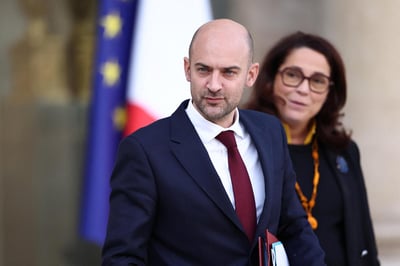
The diplomatic push gained fresh momentum in November 2026 after France publicly confirmed that European powers will have a direct presence at the negotiating table. Speaking in an interview with French radio station RTL, Foreign Minister Jean-Noel Barrot announced that European officials will participate directly in the discussions taking place in the United Arab Emirates. Barrot stated clearly that Europeans will be well represented and emphasized that France will certainly take part in these talks, even though the exact names of the delegates traveling to the Gulf would be finalized closer to the event. The announcement sends a firm message to global powers that Europe insists on being an active participant in any conversation regarding the future security of its own neighborhood.
The groundwork for the high stakes meeting was arranged by the United States government as part of an effort to bring conflicting sides together. American special envoy Steve Witkoff revealed that Washington had worked to bring official delegations from both Ukraine and Russia to the table in Abu Dhabi. Bringing representatives from Moscow and Kyiv into the same city is a rare and difficult diplomatic task, given the intense anger and deep distrust that exists between the two nations. The planned sessions are aimed at testing whether both governments are willing to discuss an eventual halt to military actions and begin mapping out realistic pathways toward ending the fighting.
Having European leaders in the room is considered crucial because the war is taking place directly on Europe's doorstep. Since the early days of the fighting, countries across the European Union have provided billions of euros in financial assistance, opened their doors to millions of Ukrainian refugees, and sent military equipment to help Ukrainian soldiers defend their homeland. European leaders strongly believe that any agreement negotiated solely between major global powers could leave behind dangerous blind spots. Decisions regarding European border security, weapons monitoring, and regional defense cannot be made without the direct agreement of the nations that live right next to the conflict zone.
Behind the formal meetings and diplomatic handshakes lies an urgent human reality. The people of Ukraine are entering another difficult winter season with power stations, electricity grids, and water networks badly damaged by aerial bombardment. In towns near the front lines, families spend freezing nights sheltering in concrete basements, listening to the thunder of falling rockets. Meanwhile, Russian households have also felt the painful cost of war, as thousands of young soldiers have lost their lives on distant battlefields. For ordinary men and women on both sides of the trenches, the endless cycle of funerals and destroyed futures has created a deep longing for a return to normal, safe living.
Reaching a workable agreement will require solving some of the most difficult political puzzles in modern history. The Ukrainian government has consistently demanded the complete withdrawal of foreign troops and full respect for its internationally recognized borders, emphasizing that rewarding military aggression would only encourage future attacks. On the other hand, leadership in Moscow has repeatedly claimed control over occupied territories and insisted that Ukraine must remain completely neutral, without joining international defense alliances. Bridging the massive gap between these two opposing positions will test the skill and patience of every negotiator sitting in the Abu Dhabi meeting rooms.
The choice of Abu Dhabi as the meeting ground highlights the growing role of the United Arab Emirates as a trusted neutral host. Over the course of the war, the Gulf nation has maintained working relations with Western capitals, Moscow, and Kyiv at the same time. This neutral position previously allowed Emirati officials to broker successful prisoner exchanges and assist in the return of displaced children to their families. By offering a calm environment far away from intense media glare, the Gulf hosts hope to create a quiet space where diplomats can speak honestly about practical compromises without political posturing.
European participation also addresses deep concerns inside Kyiv that international support might slowly weaken as the war drags on. Ukrainian officials have regularly worried that outside powers might pressure them into giving up land or signing an unfair peace treaty just to make the conflict go away. By joining the table in Abu Dhabi, France and other European allies intend to support Ukraine's core interests and ensure that any diplomatic roadmap provides ironclad security guarantees. European diplomats maintain that a hasty ceasefire without strong protections would simply give military forces time to rearm before launching another offensive later.
A lasting peace will also require massive international commitments that go far beyond signing a document on paper. Rebuilding shattered cities, clearing vast minefields, and restoring agricultural land in Ukraine will cost hundreds of billions of dollars over several decades. International monitoring teams will be needed along border regions to watch for treaty violations and prevent accidental clashes. Furthermore, unresolved legal questions regarding war damages and the return of captive civilians must be settled to give ordinary people a sense of real justice and closure.
The world will be watching the discussions in Abu Dhabi with careful hope rather than blind optimism. Diplomatic breakthroughs rarely happen in a single afternoon, especially when dealing with a war that has caused so much blood and tears. However, the willingness of opposing delegations to travel to the same table, accompanied by key European allies, proves that diplomacy is not dead. For millions of innocent people praying for peace, the Abu Dhabi talks represent an important step away from endless gunfire and toward a safer, more stable world.